
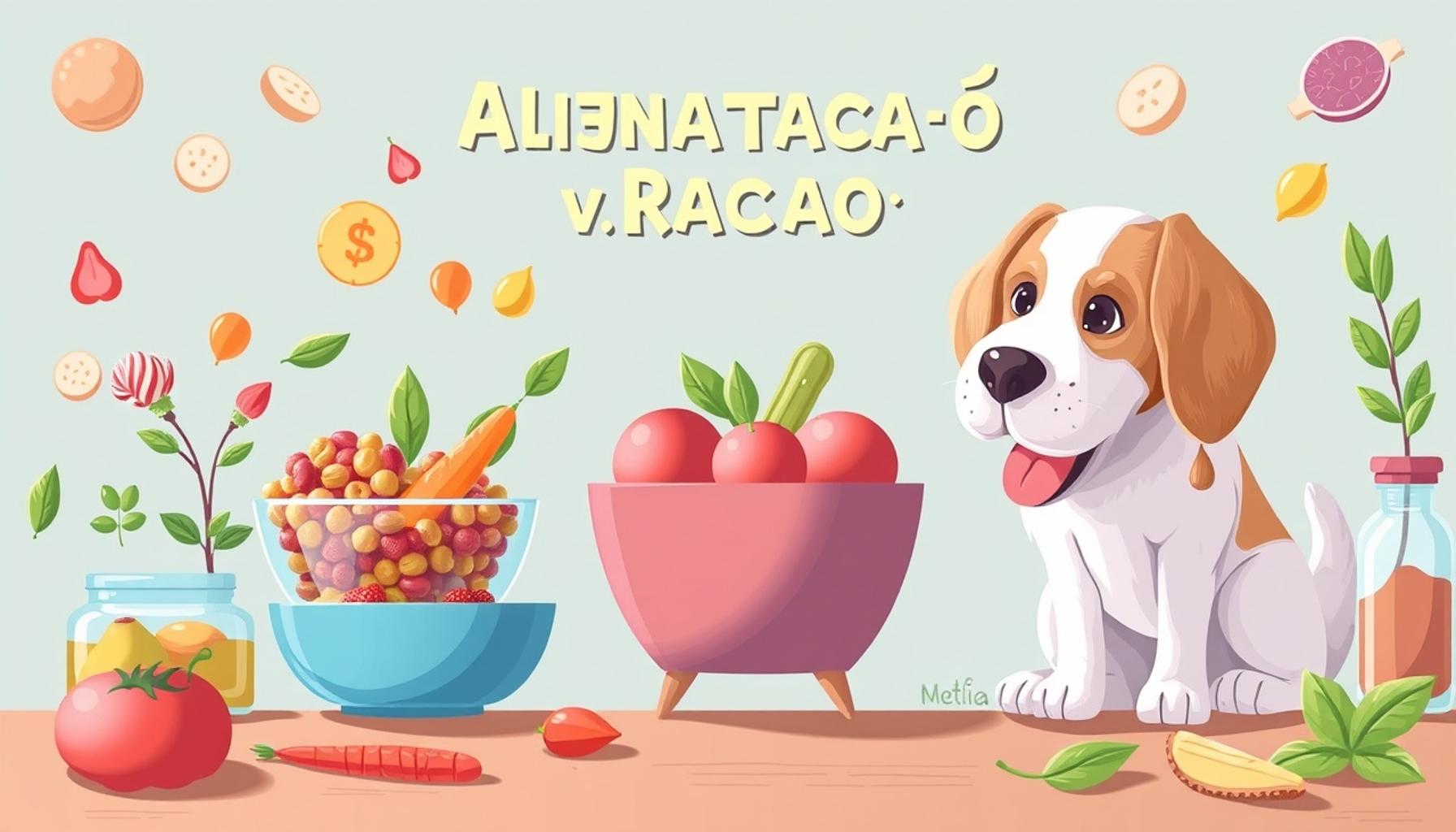
Understanding Pet Nutrition Choices
When choosing the right food for our pets, the debate between natural food and kibble can often leave owners pondering over what truly benefits their beloved companions. Each option offers distinct advantages and potential drawbacks that significantly impact pets’ health and vitality. Therefore, making a well-informed choice becomes paramount.
The Appeal of Natural Foods
Natural foods, sometimes classified as holistic or raw diets, have gained significant traction among pet owners who prioritize high-quality nutrition. Advocates argue that these diets deliver a cornucopia of health benefits. For example, the higher moisture content found in raw or natural diets helps keep pets hydrated and supports healthy organ function, particularly in cats, who can be predisposed to urinary tract issues.
Moreover, these diets are typically free from preservatives and fillers, which are often found in lower-quality kibble. This absence means that pets consume fewer artificial additives and ingredients that may contribute to health problems over time. Whole ingredients—such as fresh meats, vegetables, and fruits—increase the likelihood of a more balanced nutrition profile, possibly leading to heightened energy levels and overall vitality.
The Advantages of Kibble
Conversely, kibble presents a range of benefits that resonate with many pet owners. One of the most notable advantages is the convenience it provides. With easy storage, kibble can be kept at room temperature without worry, unlike raw diets that may require refrigeration. This ease of use is particularly appealing for busy households or those who travel frequently.
Moreover, kibble can be found in a variety of cost-effective options, making it accessible to pet owners across various budgets. With the right research, individuals can find high-quality kibble that meets their pets’ nutritional needs without breaking the bank. The long shelf life of kibble also means less frequent trips to the store, allowing for both savings and time efficiency.
Weighing the Options
When examining the pros and cons of natural versus kibble diets, it’s vital for pet owners to contemplate their pet’s individual circumstances. Considerations such as breed, age, health conditions, and lifestyle should inform this decision. For instance, a highly active dog may require more balanced nutrition from a nutrient-dense diet, whereas an indoor, less active cat might thrive on a carefully formulated kibble.
Understanding the nuances of each food type is essential in navigating the complex landscape of pet nutrition. Ultimately, diving into research and staying informed can illuminate the best choices for your pet, ensuring a path to a happier and healthier life. As pet care continues to evolve, the more you know, the better you can provide for your furry friend.
DIVE DEEPER: Click here to discover more
Exploring Nutritional Benefits of Natural Foods
Choosing natural food for pets often stems from the belief that these diets can significantly improve a pet’s wellbeing. The shift towards natural ingredients has led to a growing market of raw and minimally processed options that cater to a variety of dietary needs. Advocates of these natural diets highlight several key benefits that entice pet owners.
- Enhanced Digestion: Many owners report notable improvements in digestion when feeding their pets a natural diet. Whole foods often lead to better nutrient absorption and healthier stool quality, which can reduce the risk of gastrointestinal issues such as constipation or diarrhea. For instance, many pet owners have observed that switching to natural foods rich in fiber, like pumpkin or sweet potatoes, often results in firmer and less odorous stools.
- Less Allergies: Natural foods can mitigate food sensitivities and allergies by avoiding common allergens and fillers often found in processed kibbles. Ingredients like corn, soy, and artificial preservatives can trigger reactions in sensitive pets. By opting for limited ingredient diets, owners may notice fewer allergic reactions and reduced skin irritations, showcasing the importance of ingredients transparency for pet health.
- Weight Management: The balanced nutrition provided by natural foods plays a crucial role in maintaining a pet’s healthy weight. Many of these diets contain fewer inappropriate carbohydrates, which can lower the risk of obesity—a common issue in the United States. The inclusion of protein-rich ingredients, such as chicken and fish, helps pets feel fuller longer, thereby preventing overeating.
Moreover, raw diets typically boast high protein content derived from real meat and fish. For carnivorous animals like dogs and cats, this aligns closely with their ancestral diets, enhancing dental health and encouraging natural chewing behaviors. The increased chewing also promotes saliva production, which can aid in digesting food and improving oral hygiene.
Understanding Kibble’s Formulation
On the contrary, kibble manufacturers have made significant advancements in their product formulations. High-quality kibble options are often enriched with essential nutrients, vitamins, and minerals designed to support overall health. Some of these notable features include:
- Formulated for Specific Needs: Many kibble brands offer specialized formulas tailored to unique health conditions and life stages, ensuring pets receive targeted nutrition. For instance, senior dog formulas often contain added glucosamine for joint health, while formulas for puppies are enriched with DHA to support cognitive development.
- Consistency and Balance: Kibble provides a consistent nutrient profile, allowing pet owners to precisely measure and monitor their pets’ intake without the variability that can accompany natural diets. This consistency can be reassuring for busy pet owners who prefer straightforward feeding options, contributing to a pet’s daily nutritional stability.
- Enhanced Palatability: The kibble manufacturing process often includes palatability enhancers to make dry food more appealing to pets. This is essential for pet owners concerned about their pets’ willingness to eat. Kibbles that feature flavors from real meat can help even the pickiest eaters enjoy balanced nutrition in every meal.
As pet owners weigh the pros and cons of both natural foods and kibble, it becomes essential to consider the potential impact on their pets’ health and lifestyle. Factors like dietary requirements, financial considerations, and individual health needs of each pet influence food choices. The current surge in pet food awareness, coupled with innovative marketing and evolving conversations around pet care, encourages owners to stay informed and make choices that best suit their furry family members. Ultimately, knowledge is power in the journey to ensure pets lead healthy and vibrant lives.
Natural Food vs. Kibble: Exploring the Differences and Benefits
When it comes to feeding your pet, choosing between natural food and kibble can be an overwhelming decision. Each option carries its own unique set of advantages that are worth considering. Understanding these differences can help you provide the best diet tailored to your pet’s needs.Natural food, often seen as a fresher and less processed choice, contains high-quality ingredients with minimal additives. One significant advantage is that it usually includes more nutrients and digestible proteins, which can lead to improved overall health, better coat condition, and increased energy levels in pets. Many pet owners report enhanced vitality and even a reduction in allergy symptoms when transitioning their pets to a natural diet rich in whole foods.On the other hand, kibble offers convenience and a longer shelf life, making it an attractive option for busy pet owners. Kibble is easy to store, portion, and serve. Additionally, many commercial kibble brands are formulated by nutritionists to meet the specific dietary requirements of pets, ensuring they receive a balanced diet. It’s also often more cost-effective than natural food, which can be crucial for budget-conscious pet owners.Both diets have their merits, and the decision largely depends on your pet’s health requirements, lifestyle, and personal preference. Evaluating the nutritional content and ingredients of both options is essential for making an informed choice. As you delve further into this topic, consider the unique needs of your furry friend and explore how each feeding option could impact their health in the long run.
| Natural Food | Kibble |
|---|---|
| High in Nutrients & Fresh Ingredients | Easy to Store & Serve |
| Improves Overall Health | Balanced Formulations from Experts |
As you explore further into the realms of pet nutrition, you’ll find that there’s no one-size-fits-all solution. Each pet is unique, and understanding their dietary requirements will empower you to make the right choice that best suits their health and lifestyle needs.
LEARN MORE: Click here to discover the benefits of physical activity for your pets
Evaluating the Drawbacks of Natural Foods and Kibble
While natural foods present a myriad of benefits that can lead to improved health outcomes for pets, they are not devoid of challenges. Similarly, kibble, despite its convenience and formulated benefits, has its own set of considerations that pet owners should explore. Understanding these drawbacks is essential for making an informed choice about your pet’s diet.
Challenges with Natural Foods
One of the primary concerns regarding a natural food diet is the risk of nutritional imbalance. Without proper knowledge and preparation, owners might inadvertently provide a diet lacking essential nutrients or calories tailored to their pets’ needs. This can be particularly problematic for pets with specific dietary requirements due to health conditions or age. Additionally, creating balanced homemade meals can be time-consuming and requires careful planning.
- Risk of Contamination: Natural foods, especially raw diets, can pose a risk of bacterial contamination, including pathogens like Salmonella or E. coli. Pet owners must be vigilant about food handling and sanitation practices to mitigate these risks effectively.
- Cost Considerations: High-quality natural foods often come with a higher price tag compared to standard kibble. Budget-conscious pet owners may find it challenging to maintain such a diet long-term, leading to possible compromises on quality.
- Limited Shelf Life: Natural foods typically have a shorter shelf life than kibble, requiring proper storage to maintain freshness and nutrient integrity. This could lead to waste if not consumed in a timely manner.
Potential Limitations of Kibble
Although kibble offers convenience and consistency, it also has its weaknesses that merit consideration. For example, many commercial kibbles contain fillers—ingredients like corn, wheat, and soy—designed to bulk up the food but offering limited nutritional value. These fillers can contribute to weight gain and obesity, especially if pets are inactive.
- Processing Concerns: The high heat processing required to create kibble can destroy certain nutrients. While manufacturers often add vitamins and minerals back into the mix, the bioavailability of added nutrients may not match the naturally occurring counterparts found in fresh food.
- Less Variety: Pets fed mainly on kibble may experience less dietary variety compared to those that enjoy a natural diet. This lack of diversity can potentially lead to picky eating habits and reduce the pet’s overall meal satisfaction.
- Food Additives: Many commercial kibbles contain artificial flavors, colors, and preservatives that may not be ideal for every pet. Some pets could develop sensitivities to these additives, resulting in adverse reactions that compromise their health.
As pet owners scrutinize the choices of natural food vs. kibble, it is essential to weigh the challenges and benefits of each diet. Balancing the nutritional needs of pets with logistical challenges and budgetary constraints can provide valuable insight into the best feeding strategy. Understanding both sides of the food spectrum ensures pet owners are equipped to make well-rounded decisions for their beloved companions.
DISCOVER MORE: Click here
Finding the Right Balance for Your Pet
In the ongoing debate of natural food vs. kibble, the ultimate choice hinges on the unique needs and preferences of both pet owners and their furry companions. Each option presents a distinct array of advantages and challenges that must be carefully weighed. While natural foods can offer enriched nutrition and better palatability, they require meticulous preparation and awareness of potential risks such as contamination and nutritional imbalance.
Conversely, kibble provides convenience and a certain level of dietary consistency, making it an accessible option for many pet owners. However, it is imperative to scrutinize ingredient lists to avoid low-quality fillers and artificial additives that could detract from a pet’s health. As this analysis suggests, no one-size-fits-all approach exists. Instead, pet owners are encouraged to take a holistic view, considering factors such as their pet’s age, health status, lifestyle, and budget.
Ultimately, the journey toward optimal nutrition may not lie completely in either camp. Some pet owners find success in combining both natural foods and kibble, ensuring they provide a balanced and varied diet that meets their pet’s nutritional requirements. By being proactive about your pet’s diet and continuously educating yourself on nutritional needs and food sources, you can foster a tailored feeding strategy that promotes vibrant health and happiness for your beloved animal. The exploration of what constitutes the best diet for your pet is an ongoing adventure; empower yourself with knowledge to make informed and compassionate choices for your furry friend.