Cooking with leftovers: transforming scraps into delicious and economical dishes
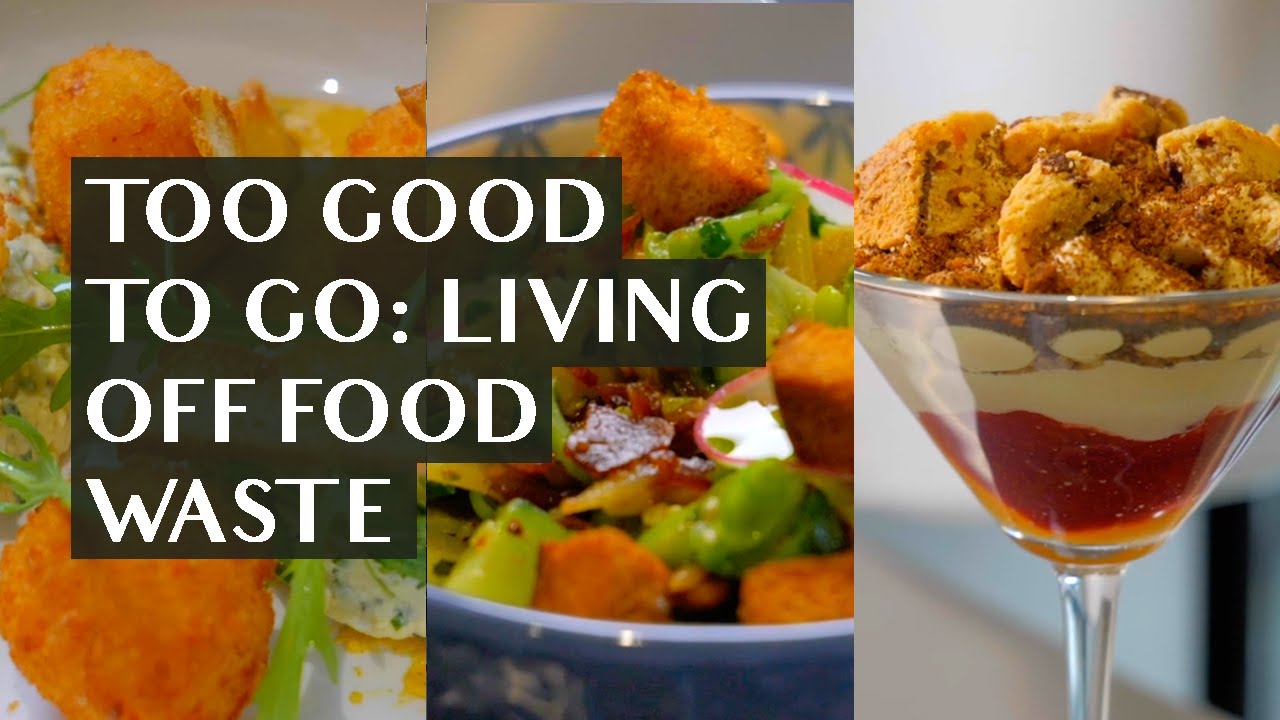
Every day, countless pounds of food go to waste in kitchens across America. According to the United States Department of Agriculture (USDA), an estimated 30-40% of the food supply is wasted, equating to around $161 billion worth of food annually. This staggering amount presents both an ecological challenge and an opportunity for innovative cooking. Cooking with leftovers not only allows for a reduction in waste but also enables the creation of delicious and economical dishes. This culinary approach is not only environmentally friendly but also allows households to stretch their grocery budgets further, making it a practice worth adopting.
Why Cooking with Leftovers Matters
- Financial Savings: Utilizing leftovers can lead to significant savings. For instance, by using leftover chicken from a roast dinner to make a hearty chicken soup, you can create multiple meals out of just one main dish, maximizing the cost-effectiveness of your food purchases.
- Waste Reduction: Less waste contributes to a smaller carbon footprint. Every item saved from the trash helps in reducing methane emissions from landfills, a potent greenhouse gas. By rethinking how to use food scraps, you are actively participating in a sustainable practice.
- Creativity Boost: Turning leftovers into new dishes can spark your culinary creativity. The challenge of reimagining what you have on hand can lead to exciting kitchen experiments, often resulting in unexpected flavor combinations.
With a spark of imagination, ordinary scraps can transform into extraordinary meals. For example, leftover roasted vegetables such as bell peppers, zucchini, and eggplant can become the base for a rich pasta sauce. A simple sauté or blending can elevate these odds and ends into something flavorful. Additionally, stale bread can be revitalized; it can be sliced into cubes for crunchy croutons to add texture to salads or transformed into a comforting bread pudding—an ideal dessert that fights waste with sweetness.
Simple Strategies for Success
- Plan Ahead: Consider your meals in advance and think about how you can incorporate potential leftovers into subsequent recipes. This foresight can help ensure nothing goes to waste.
- Store Smart: Keeping your fridge organized is essential. Utilizing clear containers and labeling items can allow for easy identification of ingredients that may be nearing their expiration date, allowing you to use them promptly.
- Experiment: Embrace flexibility in your cooking. Challenge yourself to try new recipes that allow for substitutions based on what you have available; this is where culinary creativity truly shines.
Prepare to dive into the world of creative cooking, where nothing goes to waste and every bite celebrates resourcefulness. By putting these strategies into practice, you can transform everyday leftovers into something truly spectacular, reducing waste while enjoying the art of cooking like never before. Whether you are an avid cook or a kitchen novice, there is always room to explore the vast possibilities of leftover cuisine.
DON’T MISS: Click here for quick vegetarian meals
Unlocking the Culinary Potential of Leftovers
In a world where sustainability is increasingly becoming a crucial point of discussion, cooking with leftovers stands out as a practical solution to combat food waste. More than just a budget-friendly option, this approach encourages individuals and families to delve deeper into their culinary habits, discovering innovative ways to make the most of the food they already have on hand. By reimagining yesterday’s meals, you can turn what might be considered kitchen scraps into gourmet dinners that tantalize the taste buds.
Understanding Leftovers
The term “leftovers” often brings to mind uninspired reheated meals, but it need not be so. Instead, consider leftovers as a blank canvas for culinary creativity. They can be the key ingredients in an entirely new dish—a soup, casserole, or stir-fry, brimming with flavor and texture. The beauty of leftovers lies in their versatility and the potential to save money while saving the environment from excess food waste.
Among the most common types of items that often find their way to the back of the fridge are:
- Vegetables: From wilted greens to half-used bell peppers, these can easily be incorporated into omelets, fritters, or even blended into dips.
- Fruits: Overripe bananas can be transformed into smoothies or baked into delicious muffins, while apples can lend their sweetness to savory dishes when sautéed.
- Grains and Starches: Leftover rice, quinoa, or pasta can serve as a time-saving base for fried rice or a refreshing pasta salad, allowing for quick, nutritious meals.
- Meats: Shredded chicken, beef, or pork can act as the star ingredient in tacos or sandwiches, providing hearty flavors in just minutes.
By understanding the potential of these ingredients, you can elevate your meals from mundane to magnificent, all while keeping your kitchen budget-friendly. It’s about seeing value where others may see waste—a mindset that can change not only the way you cook but also how you approach meal planning and grocery shopping.
Easy Transformations to Try
While the possibilities are endless, here are a few simple ideas for transforming common leftovers into new and exciting dishes:
- Vegetable Stir-Fry: Use a mix of leftover veggies and proteins to create a quick stir-fry, seasoned with soy sauce or your favorite spices.
- Soup Stock: Collect veggie scraps, meat bones, or even the ends of herbs to create a rich, flavorful broth for soups and stews.
- Salad Toppers: Diced cooked meats, roasted vegetables, and even day-old bread croutons can add texture and taste to any salad.
These adaptable recipes make it easier to embrace the challenge of using what you have instead of discarding potentially delicious ingredients. As you explore this journey of leftover cooking, you’ll soon discover that every meal can evolve, resulting in unique culinary creations that are both economical and satisfying.
| Advantage | Description |
|---|---|
| Environmental Impact | Using leftovers significantly reduces food waste, contributing to a more sustainable planet. |
| Cost Efficiency | Transforming scraps into meals allows for budget-friendly dining, making it easier to save money while enjoying delightful dishes. |
In the culinary world, leftovers hold immense potential. By creatively reimagining scraps, kitchens can turn what might have been discarded into gourmet experiences. For instance, vegetable trimmings can become a rich broth, and stale bread is perfect for croutons or breadcrumbs. Additionally, repurposing meat scraps in stews or stir-fries not only enhances flavor but also extends the meal’s longevity, ensuring nothing goes to waste.Moreover, this method of cooking fosters culinary creativity. Chefs and home cooks alike are encouraged to explore flavors, textures, and combinations they might not have considered otherwise. Embracing the challenge to utilize every component of the food can lead to innovative recipes that surprise and delight the palate. Also, sharing these creations can inspire others within the community to adopt similar practices.As our awareness of food sustainability grows, cooking with leftovers becomes not just a trend but a movement towards responsible eating. It encourages mindful consumption and a closer relationship with our food sources, thereby enriching both our meals and our environment. Whether you’re aiming to save money, reduce waste, or simply get creative in the kitchen, the art of cooking with leftovers offers a wealth of possibilities waiting to be explored.
DIVE DEEPER: Click here to discover quick meals from around the globe
Creative Cooking Techniques for Leftovers
Transforming leftovers into a new dish not only requires creativity but also a grasp of fundamental cooking techniques that elevate the humble remnants of last night’s dinner. By employing various methods, you can enhance the flavors and textures of leftovers, making them the star of your next meal.
Rediscovering Cooking Techniques
To harness the full potential of your ingredients, consider employing these classic cooking techniques:
- Sautéing: A quick way to bring flavors together, sautéing leftover vegetables with garlic and olive oil can create a delicious base for a variety of dishes. Add grains to this mix for a filling one-pan meal.
- Roasting: A bit of time in the oven can transform leftover vegetables into caramelized treasures. Toss them with olive oil, salt, and herbs, then roast at a high temperature to amplify their natural sweetness and bring out complex flavors.
- Blending: Leftover veggies and cooked grains can be easily turned into smoothies or soups with the help of a blender. Combine them with broth or yogurt for a creamy and nutritious drink or soup.
Employing these techniques not only brings life back into your leftovers but also encourages you to experiment, meaning that you can continually evolve your meals based on what you have rather than sticking to a rigid recipe.
Leftover Heroes: Essential Recipes
Several cornerstone recipes can serve as a launching pad for leftover cooking. Consider these four versatile options that can adapt to almost any leftover:
- Frittata: A frittata is a great way to utilize leftover vegetables, meats, and even grains. Simply beat a few eggs, incorporate your scraps, and bake to create a hearty dish suitable for breakfast or dinner.
- Risotto: Turn rice into risotto by cooking it slowly with broth, adding in whatever leftovers you have to enrich the flavor and texture. This warm, creamy dish is a comforting way to optimize leftovers.
- Wraps and Burritos: Combine leftover proteins and vegetables in tortillas to make a quick meal. This is a family-friendly option that can cater to various dietary preferences.
- Pasta Bake: Mix leftover pasta with sauce, veggies, and cheese, then bake until bubbling. It’s a nostalgic way to enjoy all the flavors in one indulgent dish.
The Economic Benefits of Cooking with Leftovers
From a financial perspective, embracing leftover cooking can yield significant savings. A study by the USDA estimates that nearly 30-40% of the food supply in the United States goes uneaten each year. By rethinking how we use food, households can stretch their grocery budgets while also combating waste. For example, using leftover vegetables instead of buying fresh can decrease your weekly grocery bill substantially.
Planning meals around existing leftovers not only allows for a more flexible approach to cooking but encourages a shift toward a more sustainable lifestyle as well. When you view food as a resource rather than waste, you shift your approach to meal planning, becoming savvier in the kitchen.
Experimenting with leftover cooking opens up a world filled with culinary possibilities, enriching your meals while supporting sustainability efforts. By unlocking the potential of what’s already in your kitchen, you’ll not only delight in delicious, economical dishes but feel empowered in the fight against food waste.
DISCOVER MORE: Click here for quick and easy meals
Conclusion: Embrace the Leftover Revolution
In an age where sustainability and economical living are more crucial than ever, cooking with leftovers offers a solution that not only stretches your food budget but brings innovation into your kitchen. By transforming scraps into tantalizing meals, you open the door to a myriad of culinary possibilities that enhance both flavor and nutrition. Whether through classic techniques like sautéing, roasting, or blending, or by using staple recipes such as frittatas and stir-fries, every bit of food can find new life and purpose.
The economic benefits of repurposing leftovers are substantial. With USDA statistics citing that 30-40% of food is wasted in the United States, every dish creatively made from remnants not only minimizes waste but also contributes to a more intentional and resourceful approach to cooking. In doing so, you can significantly reduce your grocery bills while also championing a more sustainable lifestyle.
Ultimately, the practice of cooking with leftovers is not just about making do; it’s about embracing an innovative mindset that turns what might be discarded into something delightful. So the next time you find yourself peering into the fridge at odds and ends, remember the treasures they can become. Your culinary adventure awaits—one delicious, economical dish at a time.
Related posts:
Making the Most of Leftovers: Creative and Economical Recipes to Minimize Kitchen Waste
Pre-preparation Techniques to Accelerate Cooking Processes and Reduce Waste
Pressure Cooking: Quick and Affordable Recipes with the Pressure Cooker
Cooking with One Pot: Easy and Affordable Recipes to Simplify Cleaning
Microwave Recipes: Easy and Economical Dishes for Quick Cooking
Cooking with Grains: Economic and Nutritious Recipes for Sustainable Meals

Beatriz Johnson is a seasoned home cook and recipe developer with a passion for simplifying the art of budget-friendly and easy-to-make meals. With over a decade of experience in the kitchen, she specializes in topics like meal planning on a budget, affordable ingredient swaps, and quick cooking techniques for busy households. Through her work, Beatriz empowers readers to create delicious, satisfying meals while saving money and making the most of every grocery trip.