Pre-preparation Techniques to Accelerate Cooking Processes and Reduce Waste
Unlocking Efficiency in the Kitchen
In today’s fast-paced world, cooking doesn’t have to be a time-consuming chore. Pre-preparation techniques can be a game changer, helping you to streamline your cooking processes while also minimizing food waste. Embracing these strategies can lead to flavorful meals on busy nights without sacrificing quality or sustainability.
Consider these effective techniques:
- Mise en Place: This French culinary principle emphasizes the importance of organizing and preparing all necessary ingredients before you start any cooking process. By measuring out spices, chopping herbs, and pre-measuring liquids, you create a smoother cooking experience. For instance, gourmet home chefs often set up small bowls for each component, ensuring they can access everything quickly, thus avoiding the frantic search through cabinets when a recipe requires immediate attention.
- Batch Cooking: This technique involves preparing large quantities of food, allowing you to cook once and eat multiple times. For example, making a pot of chili or a large casserole on the weekend can set you up with ready-to-eat meals for the week. Not only does this save time, but it also reduces the temptation to resort to takeout, ultimately saving money as well. Furthermore, you can freeze portions of soups, stews, and sauces for later use, which is a practical solution for busy weeknights.
- Pre-cutting Vegetables: One of the most effective ways to save time during busy days is pre-cutting your vegetables in advance. Spend some time on a Sunday or your day off chopping onions, peppers, carrots, and other favorites, then store them in the refrigerator. This not only reduces prep time when cooking but also helps prevent spoilage since you will likely use them before they go bad. For example, having prepped vegetables for stir-frys or salads makes it easier to whip up healthy meals in a fraction of the time.
Not only do these methods enhance your cooking efficiency, but they also significantly reduce the likelihood of food spoilage. This is crucial in a time when many Americans contribute to the estimated 30-40% of the food supply wasted each year. According to the USDA, consumers throw away nearly a third of the food they purchase, leading to unnecessary waste and environmental degradation. By incorporating pre-preparation techniques, you can contribute to a more sustainable kitchen and enjoy the benefits of seamless meal prep.
Exploring these techniques can revolutionize your approach to cooking, enhancing your culinary experience while being kind to the planet. With a little strategy and organization, you can transform your kitchen from a chaotic space into a well-oiled machine that not only fuels your body but also respects and preserves our precious food resources.
DISCOVER MORE: Click here for budget-friendly meal prep ideas
Mastering Pre-Preparation Techniques for Culinary Efficiency
To truly harness the benefits of pre-preparation techniques in the kitchen, it’s essential to delve deeper into each strategy and understand how they can collectively enhance your cooking experience while minimizing food waste. With busy lifestyles becoming the norm, these preparatory methods not only save time but also encourage conscious consumption, thus reducing your ecological footprint. Let’s explore additional methods that can refine your meal prep routine.
Meal Planning
One of the cornerstones of effective pre-preparation is meal planning. Taking the time to outline your meals for the week can significantly streamline your grocery shopping, minimize impulse buys, and ensure that you only purchase what you need. By planning meals that utilize similar ingredients, you can maximize freshness and reduce the chance of waste. For example, if you plan to make tacos, stir-fry, and salad, using similar vegetables throughout these dishes can help divert potential spoilage. Strive for a balance of proteins, grains, and plenty of fresh produce. Consider tools like meal planning apps or even a simple calendar to track your meals efficiently.
Ingredient Pre-Processing
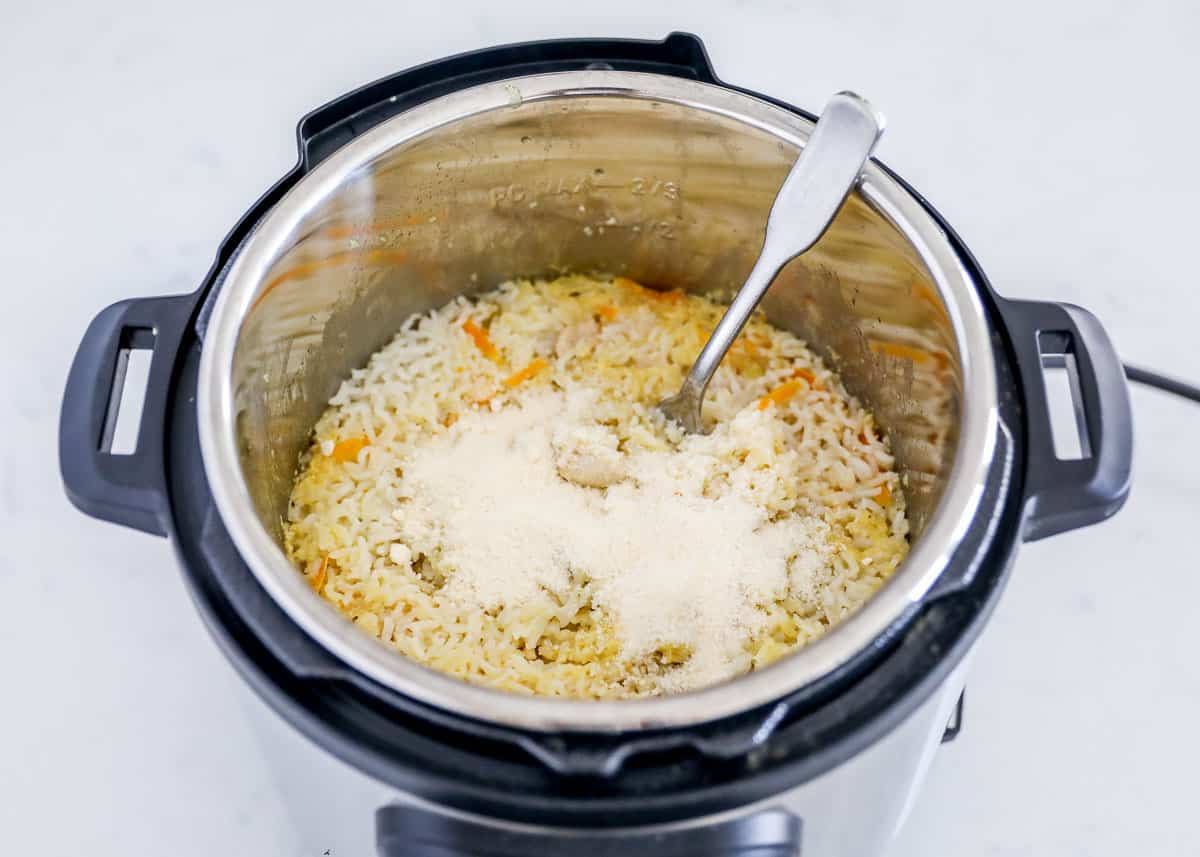
Aside from chopping vegetables, ingredient pre-processing includes marinating proteins, preparing sauces, or even cooking grains ahead of time. When you marinate chicken or tofu the day before, you infuse flavor right away, resulting in quicker cooking times without compromising taste. Additionally, cooking grains such as rice or quinoa in advance and storing them in portioned containers makes it easy to build a meal in minutes. This method is particularly effective for staples, ensuring you have easy access to healthy bases for your meals.
Utilizing Leftovers Creatively
Another beneficial avenue in pre-preparation is making the most of leftovers. Rather than viewing leftover food as simply remnants of previous meals, consider these ingredients as opportunities for new culinary creations. For instance, leftover roasted vegetables can be repurposed into a hearty frittata, while excess chicken can be made into a flavorful chicken salad or added to soups. The ability to think outside the box when it comes to using leftovers not only minimizes waste but also encourages creativity in the kitchen, turning mundane meals into exciting new dishes.
Storing Ingredients Wisely
Effective storage is essential to prolong the life of your ingredients and avoid spoilage. Proper storage techniques vary from item to item, but methods such as vacuum sealing, using airtight containers, and appropriate refrigeration can greatly extend shelf life. Invest in high-quality storage solutions that are designed to keep food fresh, and you will ensure that every ingredient you buy is utilized. For example, storing herbs in an ice cube tray with water allows you to preserve their flavor for when you need them most. Maximizing freshness upfront reduces food waste and enhances your cooking efficiency.
Incorporating these pre-preparation methods into your kitchen repertoire creates a foundation for culinary efficiency. By being intentional with your time and resources, you not only expedite meal preparation but also foster a more sustainable approach to cooking that benefits both your household and the planet.
Pre-preparation Techniques to Accelerate Cooking Processes and Reduce Waste
In today’s fast-paced world, the need for efficiency in the kitchen has never been greater. One effective way to streamline cooking processes and minimize waste is through the use of pre-preparation techniques. These methods not only save time but also contribute to sustainable cooking practices. The following table explores the advantages of implementing pre-preparation techniques in your cooking routine, highlighting their benefits and essential features.
| Technique | Advantages |
|---|---|
| Ingredient Organization | Efficient use of space and easier access to ingredients reduces meal prep time. |
| Batch Cooking | Prepares larger quantities in one go, ensuring food security while minimizing leftovers. |
| Vegetable Prep | Chopping vegetables in advance enhances convenience and encourages healthier eating options. |
| Freezer Storage | Preserve ingredients at their peak freshness, extending shelf life and reducing waste. |
By incorporating these pre-preparation techniques into our cooking habits, individuals can not only save precious time but also embrace a more organized and sustainable approach to meal preparation. Each technique fosters a more efficient kitchen environment, leading to reduced stress and fewer ingredients going to waste. Making these small changes can have a significant impact on our time in the kitchen and our commitment to reducing food waste.
DON’T MISS: Click here for delicious one-pot meals
Maximizing Efficiency through Advanced Pre-Preparation Techniques
As we continue to explore the multifaceted world of pre-preparation techniques, it becomes evident that the synergy of multiple methods can further elevate your cooking efficiency while also minimizing waste. Understanding how to leverage these strategies not only benefits your time management in the kitchen but also aligns with a broader commitment to sustainability. Let’s take a closer look at additional techniques that can help you optimize your cooking experience.
Batch Cooking
Batch cooking is a powerhouse technique that can drastically cut down on cooking time over the course of the week. By preparing larger quantities of meals in one go, you can store portions in the refrigerator or freezer for future use. For example, making a big pot of chili or a casserole allows you to enjoy delicious home-cooked meals throughout the week without the daily cooking effort. Additionally, adopt the practice of cooking staple items in bulk, such as beans or grains, which can be incorporated into various meals. This strategy not only saves time but also reduces the chances of fresh ingredients going to waste because you can strategically plan around what’s already available in your pantry.
Efficient Cutting Techniques
Developing efficient cutting techniques can drastically speed up your meal prep time. Taking a knife skills class or following online tutorials can elevate your proficiency at chopping, mincing, and slicing, saving precious minutes during busy weekdays. When you can finely chop ingredients like onions or garlic quickly, you set the stage for faster cooking. Furthermore, consider employing specific tools that can help streamline the process, such as mandolines or food processors, to handle repetitive tasks with ease. Efficient cutting not only enhances your productivity but ensures a more organized workspace, which is key to maintaining your focus in a bustling kitchen.
Embracing Preservation Techniques
Utilizing food preservation techniques can significantly extend the life of at-risk ingredients, thus helping you avoid waste. Techniques such as pickling, fermenting, or dehydrating can turn surplus produce into flavorful accompaniments that enhance future meals. For instance, pickle excess cucumbers to have on hand for sandwiches, or dehydrate fruits for a nutritious snack option later on. Besides enhancing flavor profiles, these methods can also minimize spoilage, providing you with a sustainable way to utilize seasonal produce. Companies dedicated to teaching these preservation practices have emerged, offering workshops and tools that make it simple to experiment with these techniques at home.
Implementing Smart Labeling and Inventory Checks
Properly managing your pantry can prevent both waste and confusion when preparing meals. Implementing smart labeling and inventory checks can provide clarity on what’s available, ensuring you use items before they spoil. Label containers with product names and dates, and create a simple inventory sheet for perishables. This proactive approach not only eases meal planning but also encourages you to get creative with what you have on hand. Apps designed for organizing your kitchen supplies can also assist in tracking expiration dates and notifying you about what needs to be consumed first, bolstering your efforts in reducing waste significantly.
Integrating these advanced pre-preparation techniques into your culinary routine empowers you to maximize both efficiency and sustainability in the kitchen. By adopting a holistic approach to meal preparation, not only do you reclaim time and creativity, but you also champion a conscious lifestyle that actively seeks to minimize waste and promote responsible consumption.
DISCOVER MORE: Click here for easy one-pot meal ideas
Conclusion: Transforming Your Culinary Approach
As we conclude our exploration of pre-preparation techniques, it is clear that these strategies not only streamline cooking processes but also foster a more sustainable approach to meal planning and food usage. By implementing methods such as batch cooking, honing your cutting techniques, embracing preservation methods, and conducting smart inventory checks, you can effectively transform your kitchen into a space of efficiency and creativity.
These techniques emphasize a proactive approach, encouraging individuals and families to make the most of their ingredients and reduce waste. Consider the substantial impact that reducing food waste can have—not only on your grocery bills but also on the environment. According to the USDA, roughly 30 to 40 percent of the food supply in the United States goes to waste, signifying an opportunity for significant improvement. By embracing these pre-preparation strategies, you can contribute to mitigating this issue while enjoying delicious, homemade meals with minimal effort.
As you venture into the world of cooking, let these techniques guide you toward a more efficient and responsible culinary journey. Experiment, adapt, and discover what works best for your lifestyle. Ultimately, the aim is to reclaim your time in the kitchen while cultivating a deeper appreciation for the food you prepare, all while making a positive impact on your environment. With every meal prepped and every ingredient thoughtfully utilized, you are not just cooking—you are championing a smarter, more sustainable way to nourish yourself and those around you.
Related posts:
One-Pot Recipes: Time and Energy Savings in the Kitchen
5-Ingredient Cooking: Simple and Affordable Recipes for Quick and Tasty Meals
Pressure Cooking: Quick and Affordable Recipes with the Pressure Cooker
Meals for a Month: Planning and Budget-Friendly Freezer Recipes
Cooking with One Pot: Easy and Affordable Recipes to Simplify Cleaning
Making the Most of Leftovers: Creative and Economical Recipes to Minimize Kitchen Waste

Beatriz Johnson is a seasoned home cook and recipe developer with a passion for simplifying the art of budget-friendly and easy-to-make meals. With over a decade of experience in the kitchen, she specializes in topics like meal planning on a budget, affordable ingredient swaps, and quick cooking techniques for busy households. Through her work, Beatriz empowers readers to create delicious, satisfying meals while saving money and making the most of every grocery trip.