Utilization Kitchen: Creative Recipes with Leftovers that Save Money
Unlocking the Potential of Leftovers
Every meal presents an opportunity. Transforming your leftover ingredients into creative recipes can not only minimize waste but significantly save money as well. The financial benefits of reducing food waste can be substantial; for instance, the average American family loses roughly $1,500 annually due to untapped leftovers and spoiled food. By making the most of what’s in your fridge and pantry, you can stretch your grocery budget further while uncovering culinary delights.
In the United States, food waste is a staggering issue, with an estimated 30-40% of the food supply wasted every year. This equates to approximately 133 billion pounds of food that could have fed millions. By utilizing what you already have in your kitchen, such as slightly wilted vegetables or stale bread, you can contribute to a more sustainable future while enjoying delicious meals and celebrating the art of culinary improvisation.
Why Embrace Creative Recipes?
- Budget-friendly: Stretching your finances by making the most of leftovers allows you to enjoy more meals for less. For example, turning leftover grilled chicken into a zesty chicken salad or a nourishing soup can minimize your next grocery run while satisfying your taste buds.
- Health-conscious: By controlling ingredients, you eliminate excess preservatives and unhealthy elements often found in ready-made meals. A simple vegetable stir-fry with leftover rice is a quick, nutritious option that can be tailored to your dietary needs.
- Taste discovery: Experimenting with flavors can lead to exciting new dishes. Perhaps yesterday’s baked potatoes can be transformed into crispy potato skins topped with cheese and herbs, delighting your palate with a familiar yet unexpected twist.
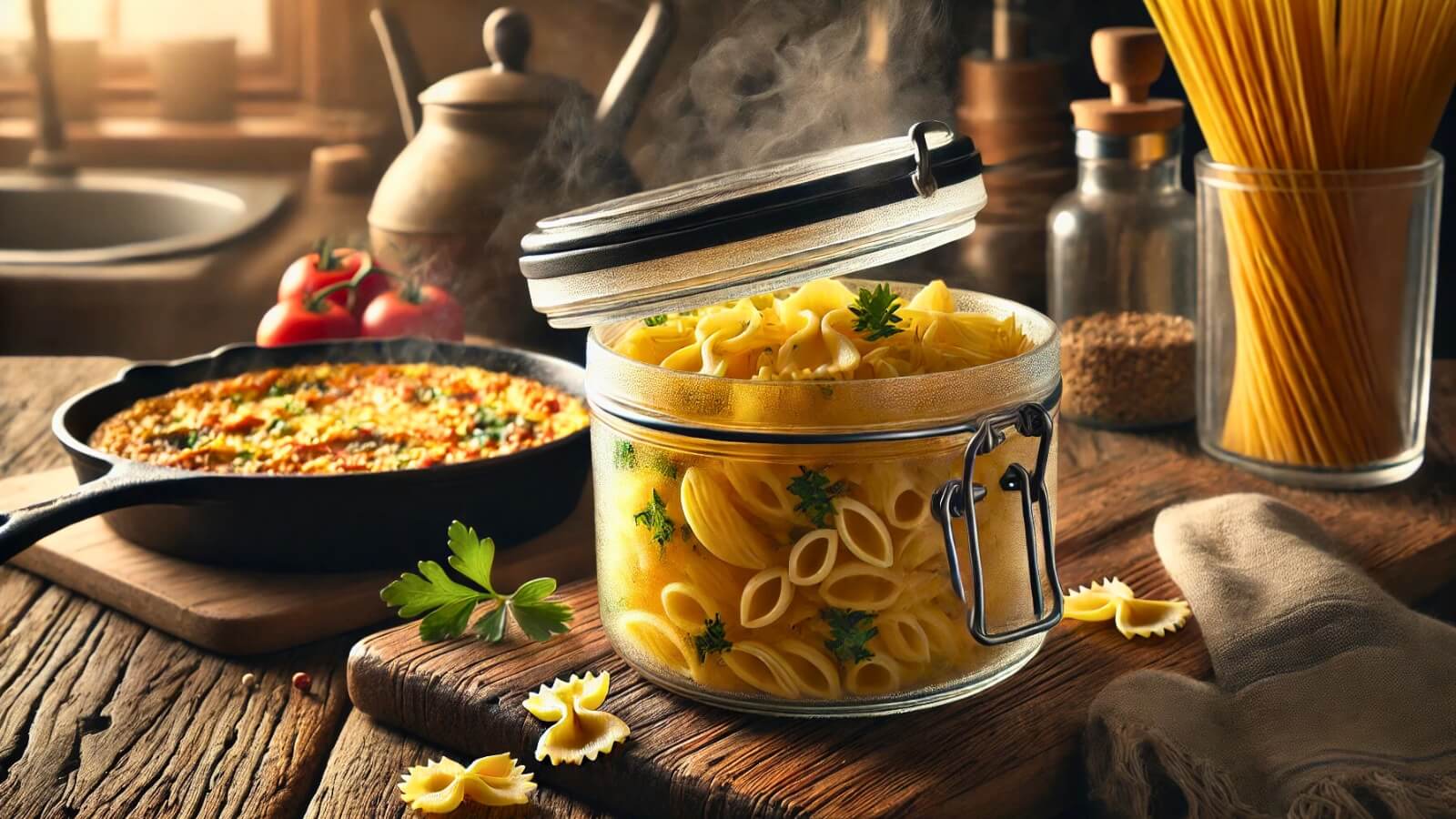
From suave stir-fries to delightful frittatas, the potential is endless. By integrating simple techniques, such as sautéing, baking, or blending, you can turn yesterday’s dinner into today’s gourmet feast. Consider transforming leftover pasta into a savory frittata or using yesterday’s veggies to create a vibrant soup or curry. These methods help maximize your ingredients and reduce your carbon footprint.
Get Ready to Dive In
This article will guide you through innovative recipes that not only make use of leftovers but also ensure that every bite is packed with flavor and fun. Say goodbye to mundane meals and hello to a vibrant, resourceful kitchen experience! By routinely assessing what’s available in your kitchen and crafting meals around those ingredients, you not only become a more efficient cook but also join a growing movement dedicated to combating food waste.
Embracing the creativity of leftovers not only fosters a deeper appreciation for your culinary skills but also encourages sustainable living practices. Start experimenting today and find joy in reimagining what you once considered waste!
DISCOVER MORE: Click here for delicious and healthy snack ideas
Turning Leftovers into Culinary Treasures
The secret to a thriving kitchen lies in its management of resources, especially when it comes to leftover food. Each day, millions of households across the United States face the challenge of what to do with uneaten meals and unused ingredients. Rather than letting these items sum up to waste, why not harness them to create exciting, budget-friendly dishes? This guide explores various methods of transformation that can revitalize your meals while being kind to your wallet.
First, let’s consider the ultimate champion of leftover utilization: the casserole. Casseroles are not only comforting but also incredibly adaptable. They provide a perfect platform for mixing different types of proteins, grains, and vegetables that might otherwise languish in the fridge. For instance, if you have leftover quinoa from a previous meal, mixing it with sautéed vegetables, beans, and a sprinkle of cheese can result in a hearty casserole that pleases the entire family. Additionally, casseroles can often be frozen and reheated, expanding their shelf life and your menu options.
Exploring the Possibilities: Recipes for Every Palate
- Stir-fried Marvels: Got some leftover chicken and a few wilted veggies? Toss everything together in a hot pan with soy sauce, garlic, and ginger for a quick stir-fry that will spark your taste buds.
- Savory Soups: Combine remnants like roast vegetables, beans, or rice into a pot with broth and herbs for a nourishing soup. Toss in a dash of your favorite seasoning, and you’ve got a meal worthy of any restaurant.
- Creative Breakfasts: Don’t overlook breakfast as an opportunity to utilize leftovers. Scrambled eggs paired with yesterday’s stir-fry make for a fantastic omelet. Alternatively, try mixing leftover cooked potatoes with eggs and savory spices for a breakfast hash that is both filling and delightful.
- Unique Salads: Salad doesn’t have to be boring! Use last night’s grilled meats or roasted vegetables as the base for a salad, adding greens, nuts, and your favorite vinaigrette for a refreshing twist.
The benefits of utilizing leftovers go beyond just saving money. By crafting meals with customizable elements, you can cater to dietary preferences, explore different cuisines, and even discover new flavor combinations. As tastes evolve and dietary needs change, having a repertoire of versatile recipes empowers you to make delicious meals without frequent grocery shopping.
Moreover, engaging in this culinary creativity can foster stronger relationships among family members. Cook together, experiment, make mistakes, and enjoy the discovery of reimagining what might seem like a mundane task. Incorporating leftover meals into family dining can create a sense of unity while tackling the important issue of reducing food waste in your home.
By understanding the untapped potential of your leftovers, you can embark on a flavorful journey that upholds financial sensibility and environmental responsibility. Embrace the challenge and turn your leftovers into culinary treasures that not only delight your palate but also support a more sustainable kitchen environment.
| Category 1 | Category 2 |
|---|---|
| Cost Savings | Utilizing leftovers reduces food waste and minimizes grocery expenses. |
| Health Benefits | Home-cooked meals from leftover ingredients can be healthier than takeout options. |
When exploring the theme of “Utilization Kitchen: Creative Recipes with Leftovers that Save Money”, it becomes evident that several significant advantages come to light. One of the most appealing aspects is the potential for major cost savings. By creatively repurposing ingredients that might otherwise end up in the trash, individuals can not only diminish their food waste footprint but also keep their grocery bills in check. This theme promotes the art of cooking efficiently and encourages the smartest possible use of resources.Furthermore, this approach promotes various health benefits. Preparing meals from leftovers allows for full control over ingredients, leading to dishes that are generally more nutritious and aligned with personal dietary needs. Home-cooked dishes, crafted with care and creativity, often taste better while steering clear of the high-calorie pitfalls commonly associated with fast food. These advantages underscore the importance of leaning into the utilization kitchen philosophy, where creativity, health, and savings intersect seamlessly.
DISCOVER: Click here for quick and healthy meal ideas
Innovative Leftover Transformations
As we continue to delve into the art of turning leftovers into culinary masterpieces, it’s essential to recognize the wealth of ingredients that can often go overlooked. Think about those items that linger at the back of your pantry or fridge—canned goods, wilting herbs, or even bits of cheese from a charcuterie board. Each of these remnants holds the potential for flavorful creations. By embracing a turn-to-the-left approach in the kitchen, you can breathe new life into these leftovers, turning them into budget-friendly delights that serve the whole family.
Mastering the Magic of Sauces and Dips
One of the most effective ways to harness leftovers is by transforming them into rich sauces or tasty dips. For instance, leftover roasted vegetables can easily be blended into a luscious sauce for pastas or grain bowls. By adding a splash of olive oil, a squeeze of lemon, and your favorite herbs, you can craft a velvety sauce that takes only minutes to create. Not only does this elevate leftover veggies, but it also bridges schools of culinary creativity by connecting smoky flavors with fresh ingredients.
Dips are also a powerful way to make leftovers more appealing. Take that collection of odds and ends from your cheese drawer and blend them into a creamy cheese spread. Combine it with some yogurt or cream cheese, add seasonings, and suddenly you have a gourmet dip that pairs exquisitely with crackers or fresh vegetables. Use leftover beans to create a vibrant bean dip—just mash them with spices, olive oil, and some salsa for a zesty twist that can serve as an appetizer or a light lunch.
One-Pan Wonders and Loaded Wraps
- One-Pan Wonders: These meals are a game changer for busy households. Gather leftover proteins, grains, and any vegetables, then throw them into a skillet with your choice of spices. Add a splash of broth or water, cover, and let it simmer. The result? A simple, all-in-one dish that makes cleanup a breeze.
- Loaded Wraps: Wraps are not just for lunch; they can be a fantastic vehicle for your leftover proteins and veggies. Create a Mediterranean-inspired wrap using leftover grilled chicken, feta cheese, and cucumber with a dollop of tzatziki sauce. For vegans, a hummus-filled wrap with leftover roasted sweet potatoes and kale can create a filling yet nutritious meal.
The Sweet Side: Repurposing Desserts
Don’t forget about the potential for transforming desserts! If you have leftover cake or cookies, consider turning them into a decadent trifle. Layer crumbled leftovers with fruit, yogurt, or whipped cream for an elegant and indulgent dessert. Or, take stale bread from last week and blend it into a bread pudding—a warm and cozy treat that awakes nostalgic feelings while minimizing waste.
Incorporating these innovative ideas into your meal planning can substantially alter the way you perceive cooking. Instead of viewing cooking as a task centered around fresh ingredients alone, it transforms into a vibrant exercise in creativity and resourcefulness. This not only enriches your culinary experience but also serves the greater good by championing sustainable cooking practices that are financially responsible.
DISCOVER MORE: Click here for healthier cooking tips
Conclusion: Embrace the Art of Leftover Cooking
In a world where food waste is an escalating concern, the concept of the Utilization Kitchen serves as both a practical solution and a gateway to culinary creativity. By creatively repurposing leftovers, you not only save money but also contribute to a more sustainable way of living. The potential in that half-eaten rotisserie chicken, wilted spinach, or a handful of grains can transform your kitchen into a playground of flavors and textures.
By integrating techniques such as crafting rich sauces, vibrant dips, and one-pan wonders, you unlock a world of possibilities that reflect your unique taste and resourcefulness. Each meal becomes an opportunity to express your culinary flair while reducing what goes to waste. Moreover, the sweet side of leftovers can turn desserts into delightful treats that spark joy, ensuring no crumb is left behind.
Going forward, challenge yourself to think outside the box when it comes to meal preparation. Engage your family in this innovative cooking journey and witness firsthand how quickly it alters your culinary landscape. The next time you find yourself faced with a hodgepodge of ingredients, remember that these leftovers can lead to delicious meals that not only satisfy your appetite but also your budget. The Utilization Kitchen represents a movement geared toward both mindful consumption and gourmet evolution, encouraging all of us to invest a little creativity for a lot of rewards.
Related posts:
Creative Leftover Recipes: Transforming Yesterday's Dinner into Today's Lunch
Savvy Snacks: Wholesome and Affordable Treats for Every Craving
Budget-Friendly Meal Prep: Organizing Your Week with Cost-Effective Recipes
Family Dinners: Easy Recipes That Won't Break the Bank
Quick and Easy Budget-Friendly Desserts: Satisfy Your Sweet Tooth Without Breaking the Bank
One-Pot Wonders: Affordable Recipes for Minimal Cleanup

Beatriz Johnson is a seasoned home cook and recipe developer with a passion for simplifying the art of budget-friendly and easy-to-make meals. With over a decade of experience in the kitchen, she specializes in topics like meal planning on a budget, affordable ingredient swaps, and quick cooking techniques for busy households. Through her work, Beatriz empowers readers to create delicious, satisfying meals while saving money and making the most of every grocery trip.