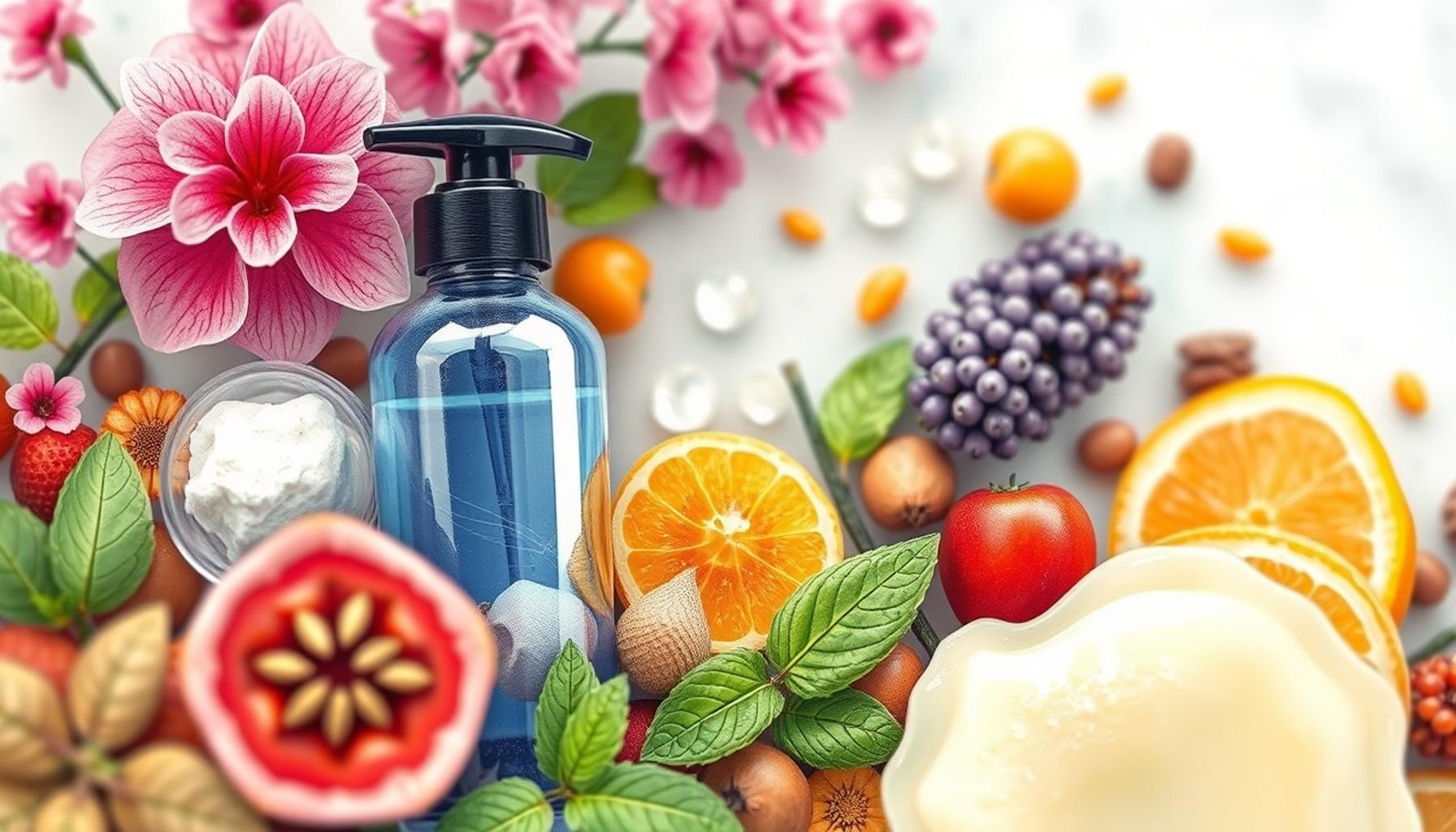
The impact of diet on skin health: how a balanced diet can enhance your skincare routine

Understanding the Role of Diet in Skin Health
Your diet plays a crucial role in determining the overall health of your skin. While many seek out the latest skincare products, the secret to vibrant skin might be lurking on your plate. A balanced diet can significantly enhance not only your skincare routine but also your skin’s natural glow.
Research indicates that certain nutrients are vital for maintaining skin integrity and promoting a youthful appearance. For example, Vitamin C is not just a buzzword in skincare; it is crucial for collagen production, which is essential for skin elasticity. Foods rich in Vitamin C, such as oranges, strawberries, and bell peppers, can help combat the signs of aging by stimulating collagen synthesis and providing a refreshing glow to the skin.
Moreover, Omega-3 Fatty Acids are another powerhouse that helps to maintain skin hydration and reduce inflammation. Fatty fish like salmon, walnuts, and flaxseeds are excellent sources. Clinical studies have shown that their anti-inflammatory properties can significantly improve skin conditions such as acne and eczema, allowing for clearer and healthier skin.
Additionally, Antioxidants play a pivotal role in protecting the skin against environmental damage, including pollution and UV exposure, which can lead to premature aging. Foods like berries, nuts, and dark chocolate are abundant in antioxidants and can help neutralize free radicals, offering external and internal defense mechanisms for the skin.
Furthermore, consuming a variety of whole foods can directly affect skin conditions. For instance, dark leafy greens like spinach and kale, along with colorful fruits, such as blueberries and pomegranates, fight oxidative stress and inflammation, making them essential for maintaining skin health. Whole grains, including brown rice and quinoa, support stable blood sugar levels, which can prevent hormones from fluctuating and causing breakouts.
It’s also important to consider hydration. Incorporating fruits and vegetables with high water content, such as cucumbers, watermelon, and oranges, can provide hydration, greatly boosting overall skin moisture and enhancing elasticity.
In the quest for beautiful skin, understanding the link between what you eat and the appearance of your skin becomes imperative. With the growing interest in natural remedies and holistic health, many people have begun to explore the idea that true beauty comes from the inside out. This article will delve into the impact of diet on skin health and explore how adopting a well-rounded diet rich in nutrients can enhance your skincare efforts significantly.
While the latest cream or serum can bring temporary improvements, investing in long-term dietary changes can lead to sustainable and transformative results for your skin. The next time you plan a meal, remember that each bite not only nourishes your body but can also contribute to the health and vibrancy of your skin.
DISCOVER MORE: Click here to learn about the newest breakthroughs
Key Nutrients That Nourish Your Skin
As the saying goes, “You are what you eat,” and this couldn’t hold more truth when it comes to skin health. A balanced diet rich in diverse nutrients fosters an environment for skin cells to thrive, ultimately reflecting your internal health on your skin’s surface. Knowing the specific nutrients that benefit your skin can empower you to make informed choices about what to include in your meals.
Let’s take a closer look at some of the essential nutrients that can uplift your skin health:
- Vitamin E: Known for its powerful antioxidant properties, Vitamin E helps combat oxidative stress caused by free radicals. Nutritious sources of this vitamin include nuts, seeds, and green leafy vegetables. Regular consumption not only protects the skin but also facilitates the repair of damaged skin.
- Zinc: This vital mineral plays a critical role in skin health and healing. It helps regulate oil production and acts as a natural anti-inflammatory. Foods rich in zinc, such as legumes, nuts, and whole grains, can support the skin’s defense against acne and irritation.
- Biotin: Part of the B-vitamin family, biotin is essential for maintaining skin hydration and elasticity. Eggs, fish, and avocados are excellent sources of biotin that can enhance your skin’s appearance by keeping it nourished and supple.
- Water: While not a nutrient in the traditional sense, hydration is a critical element to glowing skin. Drinking adequate water daily, combined with water-rich fruits and vegetables, ensures that your skin remains plump and elastic, preventing dryness and flaking.
In addition to these nutrients, it is vital to recognize the impact of processed foods on skin health. Diets high in sugar and refined carbohydrates can exacerbate inflammation, potentially leading to flare-ups of conditions like acne. Limiting foods such as white bread, sugary snacks, and fast foods while focusing on whole food alternatives can result in clearer, healthier skin.
Moreover, the relationship between gut health and skin health, often dubbed the “gut-skin axis,” is an emerging area of study. A diet rich in probiotics, fermented foods like yogurt and kimchi, and fiber can promote a healthy gut microbiome, which may further influence skin complexion and even alleviate issues like psoriasis and rosacea.
Adopting a balanced diet isn’t just about inclusion but also about avoiding common pitfalls. Be mindful of high-sodium and high-sugar diets that may cause puffiness and breakouts. You could swap a sugary soda for a refreshing green smoothie packed with antioxidants or reach for a handful of nuts instead of a chocolate bar. These small changes can collectively have a profound effect on your skin’s health.
As we explore further, the next section will delve into how to incorporate these vital nutrients seamlessly into your daily meals, thereby enhancing your skincare routine and promoting lasting beauty from the inside out.
The Connection Between Nutrition and Skin Health
The relationship between diet and skin health is increasingly supported by scientific research, emphasizing how what we consume can visibly impact our skin’s appearance and overall health. Nutrient-rich foods provide essential vitamins and antioxidants, promoting the skin’s natural defenses against aging and damage. For instance, vitamins A, C, and E are vital for maintaining skin elasticity, hydration, and protection from environmental stressors. Incorporating these vitamins through a balanced diet can enhance the skin’s texture and radiance.Another aspect of diet that plays a key role in skin health is the intake of healthy fats. Omega-3 fatty acids, commonly found in fish, flaxseeds, and walnuts, help maintain skin barrier function and reduce inflammation. Scientific studies suggest that a deficiency in these essential fatty acids can lead to dry, patchy skin and even exacerbate conditions like eczema and acne. Moreover, hydration cannot be overlooked; consuming plenty of water alongside water-rich foods such as cucumbers, oranges, and celery supports the skin’s moisture levels, preventing it from appearing dull and dehydrated. While many people focus on topical skincare, the foundational benefits of a balanced diet are critical for achieving long-term, visible results.
Exploring Antioxidant-Rich Foods
Foods high in antioxidants, like dark berries, green leafy vegetables, and nuts, combat oxidative stress caused by free radicals. Incorporating these foods into your diet not only enhances your overall health but also plays a significant role in preventing premature aging of the skin. Antioxidants help in repairing damaged skin cells and promoting an even skin tone. As we delve deeper into the importance of a balanced diet for skincare, it becomes increasingly clear that what’s on our plate can significantly affect how we look and feel. Raising awareness about this correlation can encourage individuals to invest in their health through diet, leading to improved skin health and well-being overall.
DIVE DEEPER: Click here to discover the benefits of fermented ingredients
Incorporating Skin-Enhancing Foods in Your Daily Diet
Having established the vital role of nutrients in skin health, the next step is to learn how to integrate these skin-loving foods into your daily meals effectively. A balanced diet doesn’t have to be complicated or restrictive; instead, it can be a delightful exploration of tastes and textures that not only nourish your body but also pamper your skin.
One of the most straightforward ways to start enhancing your diet is to create a well-stocked kitchen with a variety of fresh produce. Aim to fill your plate with a rainbow of fruits and vegetables, as each color offers unique health benefits. For instance, foods rich in beta-carotene like carrots, sweet potatoes, and butternut squash promote skin cell turnover and can result in a radiant glow. Include greens such as spinach and kale, which are high in vitamins A, C, and K, playing a crucial role in skin repair and maintenance.
In addition to vibrant fruits and vegetables, consider incorporating fatty fish into your meals several times a week. Fish such as salmon, mackerel, and sardines are packed with omega-3 fatty acids, which are essential for maintaining skin hydration and elasticity. Omega-3s also have anti-inflammatory properties, potentially reducing the severity of acne, dermatitis, and other skin conditions. Try a grilled salmon salad topped with avocado slices for a deliciously nutritious lunch that serves double duty for both your skin and taste buds.
Another trend gaining traction in skincare circles is the use of collagen-rich foods. Recent studies suggest that collagen, a vital protein for skin structure, can be boosted through dietary sources. Bone broth is a traditional remedy that provides collagen and amino acids beneficial for skin elasticity. You can easily incorporate it into soups or use it as a base for sauces. Additionally, consider foods rich in vitamin C, such as oranges, strawberries, and bell peppers, which help support collagen synthesis in the body.
For those with a sweet tooth, consider snacking on dark chocolate rather than traditional sugary treats. Dark chocolate containing at least 70% cocoa is rich in antioxidants that can help protect the skin from sun damage and improve hydration. Pair it with nuts and berries for a superfood snack that supports your skin from various angles.
Understanding the importance of meal timing can also play a role in skin health. Eating smaller, more frequent meals instead of three large ones may help with blood sugar regulation, which can positively affect skin clarity. For example, swap your mid-afternoon sugary coffee and pastry for a Greek yogurt topped with fresh berries and a sprinkle of nuts for a balanced treat that fuels your skin.
Additionally, don’t underestimate the power of herbal teas. Teas like green tea or rooibos are known for their high antioxidant content and can provide a calming ritual that enhances digestion and overall wellbeing, further impacting skin health. Integrating a cup of herbal tea into your daily routine not only serves as a moment of self-care but also gives your skin a boost from the inside out.
In conclusion, enhancing your skincare routine goes beyond topical products; it involves embracing a diverse and nutritious diet. Learning how to effectively integrate these foods into your everyday meals allows you to magnify the benefits for your skin, creating a holistic approach to beauty and health.
DISCOVER MORE: Click here to learn about the latest innovations
Final Thoughts on Diet and Skin Health
In summary, the relationship between diet and skin health is profound and undeniable. The foods we consume have the power to influence our skin’s appearance, elasticity, and overall vitality. By prioritizing a balanced diet rich in key nutrients, we can significantly enhance our skincare routines and promote a healthier complexion. Incorporating a colorful array of fruits and vegetables, healthy fats, and collagen-boosting foods sets the foundation for radiant skin.
Furthermore, it’s essential to recognize that hydration plays a vital role in skin health. Drinking plenty of water, along with consuming hydrating fruits and vegetables, nourishes the skin from within. This holistic approach, which marries diet and skincare, empowers individuals to take control of their skin’s health rather than solely relying on topical products.
Embracing this knowledge opens doors to new culinary experiences, allowing you to discover flavors and combinations that not only tantalize your taste buds but also rejuvenate your skin. With every meal, consider the potential benefits for your complexion. As we delve deeper into the connection between nutrition and beauty, it’s clear that each bite can be a step toward achieving that much-desired glow.
Moving forward, consider experimenting with new recipes and consciously making choices that align with your skin health goals. By combining dermatologist-recommended products with a nutrient-rich diet, you put yourself on the path to not just looking good, but feeling good, inside and out. Ultimately, a vibrant, healthy diet is more than just a trend; it’s a long-term investment in your skin’s future.