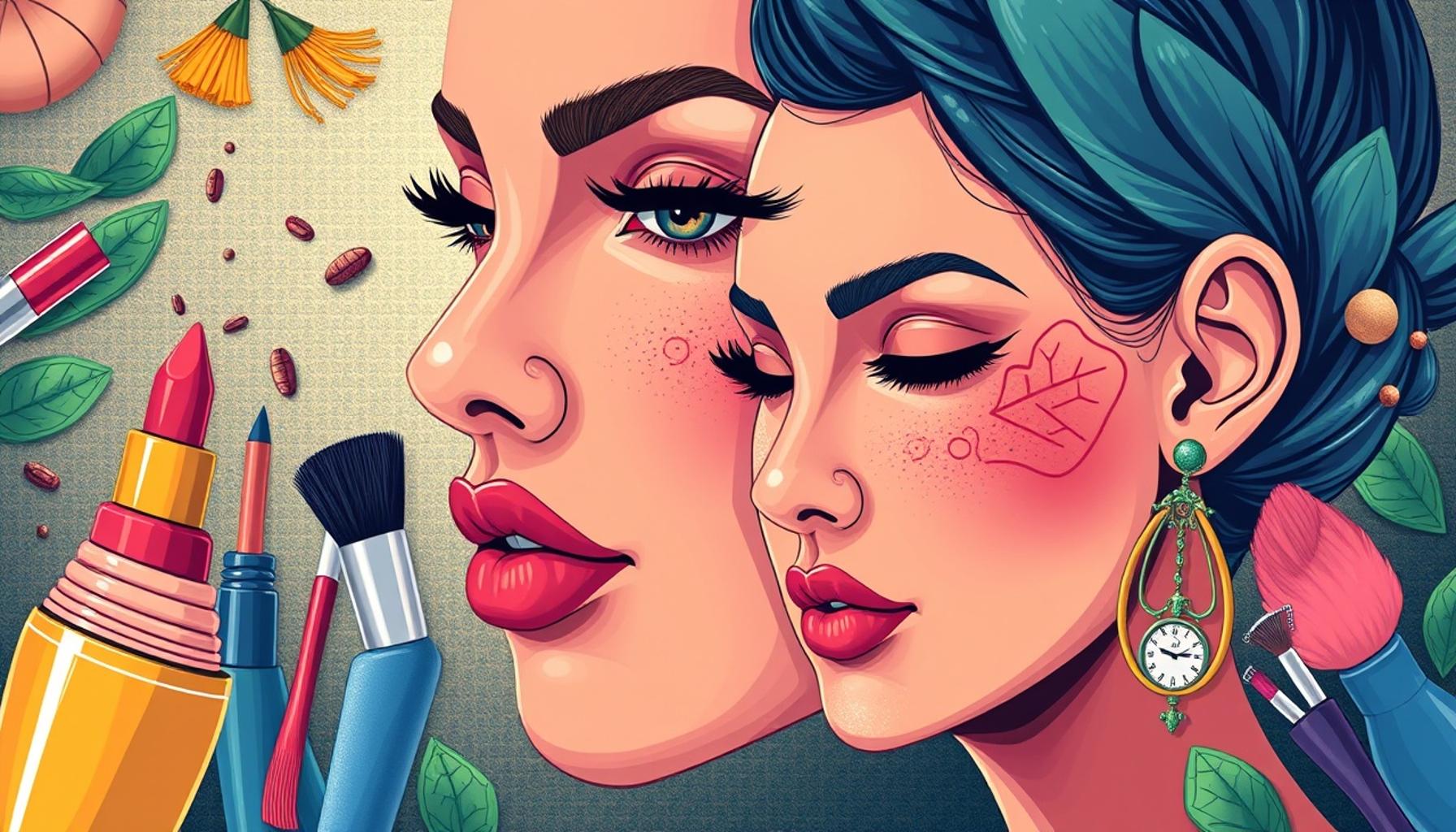
The Return of Retro Beauty Products: Nostalgia as a Trend in Cosmetics and Skincare
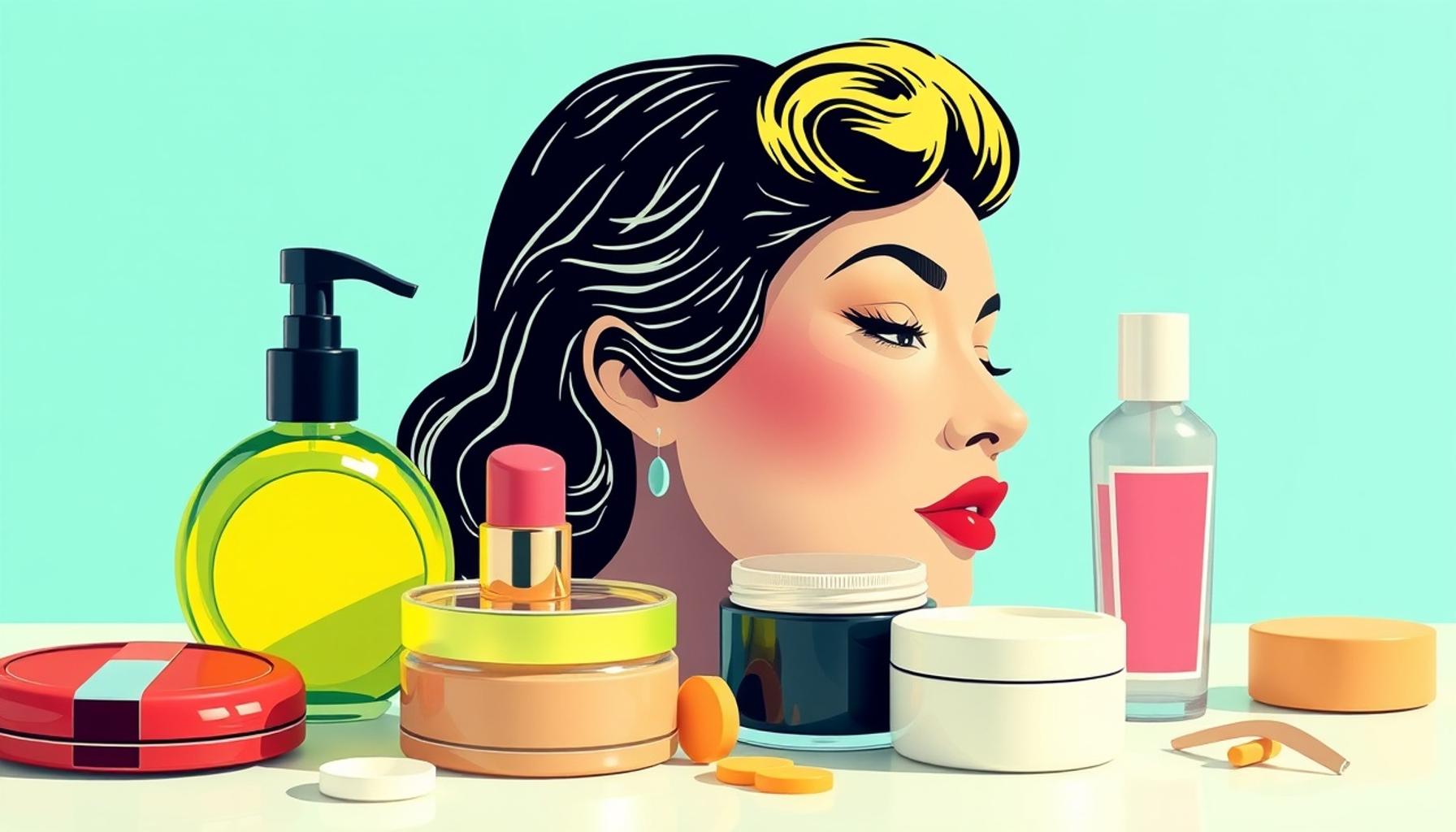
The Allure of Nostalgic Glamour
In an era dominated by groundbreaking technological advancements and the proliferation of modern beauty innovations, a fascinating trend is emerging within the cosmetics landscape: the resurgence of retro beauty products. This trend extends well beyond mere nostalgia; it represents a collective yearning for a simpler, more elegant time. Cosmetics and skincare brands are skillfully weaving vintage elements into their offerings, thereby appealing to a new generation eager to experience the charm and authenticity of bygone eras.
The Pull of Nostalgia
The popularity of retro products can largely be attributed to the nostalgia factor. Many consumers, particularly millennials and Gen Z, find themselves enamored with the style and glamour of past decades, whether it’s the vivacious looks of the 1960s or the bold, edgy vibes of the 1990s. This emotional connection is not just superficial; it resonates deeply as these decades are often associated with iconic pop culture moments and timeless beauty standards.
Aesthetic Appeal and Uniqueness
Another significant reason for the comeback of vintage beauty products is their striking unique aesthetics. Retro packaging frequently incorporates elements such as pastel colors, intricate illustrations, and typography that instantly evoke a sense of nostalgia. This distinctive design not only makes these products visually appealing but also allows them to stand out on crowded store shelves, attracting the attention of shoppers who crave something different from the stark minimalism of contemporary packaging.
Time-Tested Ingredients
Additionally, the proven efficacy of certain classic ingredients has contributed to the revival of retro products. Ingredients like rosewater, cocoa butter, and castor oil have endured for generations, often revered for their beneficial effects on skin and hair. For instance, rosewater has been used since ancient times for its anti-inflammatory properties and ability to hydrate the skin. As consumers become increasingly ingredient-conscious, the allure of these traditional formulations is stronger than ever.
The Role of Social Media
The resurgence is also accentuated by the influence of social media platforms like Instagram and TikTok, where aesthetics reign supreme. Users are drawn to visually captivating products that not only deliver excellent performance but also evoke feelings of comfort and familiarity. Social media encourages creativity and self-expression, prompting beauty enthusiasts to revisit iconic looks and reimagine them for the modern age, thus fueling further interest in retro beauty.
Retail Response and Market Trends
In response to this nostalgic wave, beauty retailers and brands are enthusiastically reintroducing beloved items from the past. Offering everything from classic, vivid lipsticks reminiscent of the golden age of Hollywood to signature fragrances that transport users back in time, the market is teeming with options for both long-time enthusiasts and curious newcomers alike. Brands like Revlon and Maybelline have even begun to revive signature products that once occupied vanity tables across the country, showcasing how history can inform the future of beauty.
This intriguing trend is reshaping the beauty landscape into something that beautifully marries the past with the present. Curious about the impact of retro beauty on contemporary aesthetics? As you delve deeper into this captivating world, you’ll discover a rich tapestry of stories, innovation, and nostalgia that continues to evolve.
DIVE DEEPER: Click here to discover more insights
Rediscovering Timeless Beauty
The trend towards retro beauty products is not just a fleeting whim; it reflects a deeper cultural movement that seeks to honor the history of cosmetics and skincare while addressing contemporary needs. As consumers gravitate toward authenticity and simplicity in an age of overwhelming choices and artificiality, they are finding solace in products that have stood the test of time. This revival is not about mere imitation; it encompasses a reinterpretation of beauty through the lens of nostalgia, providing a bridge between past practices and modern-day values.
Iconic Products that Shaped Generations
To understand the appeal of retro beauty, it’s essential to recognize a few iconic products that have made a lasting impact over the years. Brands are reintroducing classic items that many consumers still hold dear, such as:
- Baby Pink Lipstick: Evoking images of Hollywood starlets, this iconic shade remains a staple, often associated with effortless beauty.
- Pond’s Cold Cream: Initially launched in the late 19th century, this classic moisturizer has remained a household name, revered for its deep-cleansing and hydrating properties.
- Old Spice Aftershave: More than just a fragrance, Old Spice represents a nostalgic masculine charm that has remained relevant through decades.
These retro products tap into the fond memories of consumers who grew up using them or watching their parents use them, thus creating a sense of comfort and familiarity that resonates amid the whirlwind of modern life.
The Rise of Retro-Inspired Brands
The resurgence of retro beauty has also spurred the emergence of brands that are dedicated to celebrating the glamor of the past. For instance, Glossier made headlines with its “Boy Brow” product, which drew inspiration from the full, natural brows of the 1980s, while brands like Lush have adopted vintage-inspired design and scents that harken back to smaller, artisanal production methods. These brands leverage the idea of sustainability by emphasizing time-tested ingredients and traditional formulations that have historically delivered effective results.
Consumer Empowerment Through Choice
As consumers gain awareness of the environmental impact of their choices, they increasingly seek out products that connect them to their roots. The eco-conscious shift in the beauty industry is compelling consumers to consider not only what they apply to their skin but the history behind the products they choose. Retro beauty offers a narrative that emphasizes craftsmanship, tradition, and care, becoming a beloved choice for many looking to make intentional purchases.
In essence, the reawakened affinity for retro beauty products embodies a rich tapestry of emotional connections, cultural influences, and historical significance. As this trend continues to gain traction, it invites individuals to explore the elegance of the past while redefining beauty for the modern age. With waves of nostalgia washing over an interconnected world, the allure of retro beauty is proving to be a powerful trend that empowers consumers to embrace their history while looking forward to the future.
As nostalgia sweeps across the cosmetics and skincare industry, brands are increasingly tapping into the rich history of beauty products that once defined an era. This resurgence of interest highlights not only aesthetics but also the emotional connection consumers have with vintage products. Many individuals find comfort in the familiar packaging and formulations reminiscent of their youth or cultural memories.
| Category | Advantages |
|---|---|
| Brand Authenticity | Brands that utilize retro elements often evoke a strong sense of authenticity that resonates with consumers looking for trust and quality in their products. |
| Sustainable Practices | Many retro beauty brands emphasize eco-friendly practices, using vintage-inspired packaging along with natural ingredients that focus on both health and sustainability. |
This trend also emphasizes the importance of storytelling in marketing. Brands are exploring the narratives behind their vintage products, which draws in consumers eager to connect with the past and share those stories. The idea of beauty as an art form rooted in history compels consumers to consider the origins of the products they use. In an age saturated with fast fashion and fleeting trends, the retro aesthetic offers a refreshing alternative, celebrating beauty in all its forms while encouraging a deeper connection to personal heritage. As beauty enthusiasts delve into the world of retro products, they often discover that these items hold more than mere nostalgia; they encapsulate values and aesthetics that resonate today, making them not just relics of the past but relevant players in the modern beauty landscape.
DISCOVER MORE: Click here to learn how AI is reshaping beauty
Bridging Past and Present in Beauty Innovation
Interestingly, the resurgence of retro beauty products does not merely replicate past formulas; it often leads to innovative reimaginings that align with contemporary consumer demands. As manufacturers recognize the importance of ingredient transparency and safety, many are revisiting classic recipes, reformulating them with modern, clean ingredients. This blend of nostalgia and innovation has created a unique market segment that appeals to consumers seeking both familiarity and advancement.
The Craft of Artisanal Beauty
The vintage approach has been embraced by a wave of artisanal brands focused on small-batch production methods that hark back to a time when cosmetics were crafted with great care and attention to detail. Brands like Rituals and Frey emphasize a back-to-basics philosophy, often incorporating traditional practices alongside natural ingredients. Rituals, for instance, draws inspiration from ancient Asian rituals that advanced skincare and wellness, while still ensuring that their offerings meet the modern aesthetic and performance expectations.
This artisanal movement not only champions the old-school ethos but also emphasizes sustainability by prioritizing locally sourced ingredients and eco-friendly packaging. In a time where mass production often overshadows individual craftsmanship, retro-inspired brands embody a commitment to quality over quantity, thus appealing to a discerning audience.
Marketing Nostalgia: A Powerful Strategy
Companies are keenly aware of the emotive power of nostalgia in marketing. The campaigns surrounding retro beauty products often evoke fond memories rather than just highlighting the products themselves. For example, campaigns by brands like Revlon and L’Oreal effectively use vintage aesthetics—think retro packaging design and classic color palettes—to evoke the feeling of nostalgia, linking their current offerings with the timeless beauty icons of the past.
The psychological impact of nostalgia cannot be overstated. Research indicates that nostalgic memories can enhance mood, foster social connectedness, and even boost self-esteem. As consumers encounter marketing strategies infused with nostalgic elements, they are often more inclined to reconnect with and purchase these products, making it a compelling business strategy. Brands that successfully tap into this emotional connection tend to build a loyal customer base, as consumers find not just products but also stories and connections within their beauty routines.
The Role of Social Media in Fueling Vintage Trends
The revival of retro beauty has also found a powerful ally in social media platforms like Instagram and TikTok. These platforms are instrumental in reshaping beauty trends by showcasing vintage-inspired routines, tutorials, and transformations. Beauty influencers frequently revive iconic looks from past decades, demonstrating how to incorporate retro elements into everyday beauty practices. Iconic beauty trends from the 90s and early 2000s, such as bold lip liners and butterfly clips, are making a comeback, and social media serves as a launchpad for these trends.
Additionally, hashtags like #RetroBeauty and #VintageSkincare create a sense of community, drawing in enthusiasts who share a passion for the classic aesthetics in contemporary forms. Influencers educate their followers on the historical significance of these products, often prompting younger consumers to explore beauty’s rich history, thus bridging the generational gap.
This engagement not only fosters a sense of belonging but also amplifies the cultural significance of retro beauty products, merging personal stories with a broader historical narrative that reinforces their status as more than just cosmetics—they become part of a cherished legacy.
DISCOVER MORE: Click here for essential tips
Conclusion: Embracing the Timeless Beauty Revolution
The resurgence of retro beauty products marks a fascinating interplay between nostalgia and modern consumer preferences. As brands effortlessly blend the classic with the contemporary, the beauty landscape is witnessing a revival that transcends mere trends—it is reshaping identities and influences. The innovation behind reimagined vintage formulas, combined with an emphasis on sustainability and artisanal craftsmanship, caters to a growing market of conscious consumers eager for both quality and authenticity.
Moreover, the emotional resonance of nostalgia plays a critical role in bridging generational gaps. As younger audiences engage with beauty influencers reviving iconic styles from the past, products become vessels for memories and shared experiences. This cultural phenomenon not only celebrates the rich history of beauty but also redefines it for future generations, as individuals lean into a collective identity shaped by beloved aesthetics.
In a world where fast-paced trends dominate the beauty sphere, the return of retro beauty products serves as a reminder that some things are timeless. With every lipstick, fragrance, and skincare balm redesigned with a nod to history, consumers are empowered to explore an array of choices that honor beauty’s legacy while meeting modern needs. As this nostalgic wave continues, it beckons us to reflect upon our personal beauty journeys and invites us to re-embrace the styles and stories that have shaped the industry. Thus, we find ourselves not only celebrating products but also participating in a larger narrative that intertwines past, present, and future in the tapestry of beauty.