The Rise of Inclusive Cosmetics: Celebrating Diversity in Beauty
The Transformation of Beauty Standards
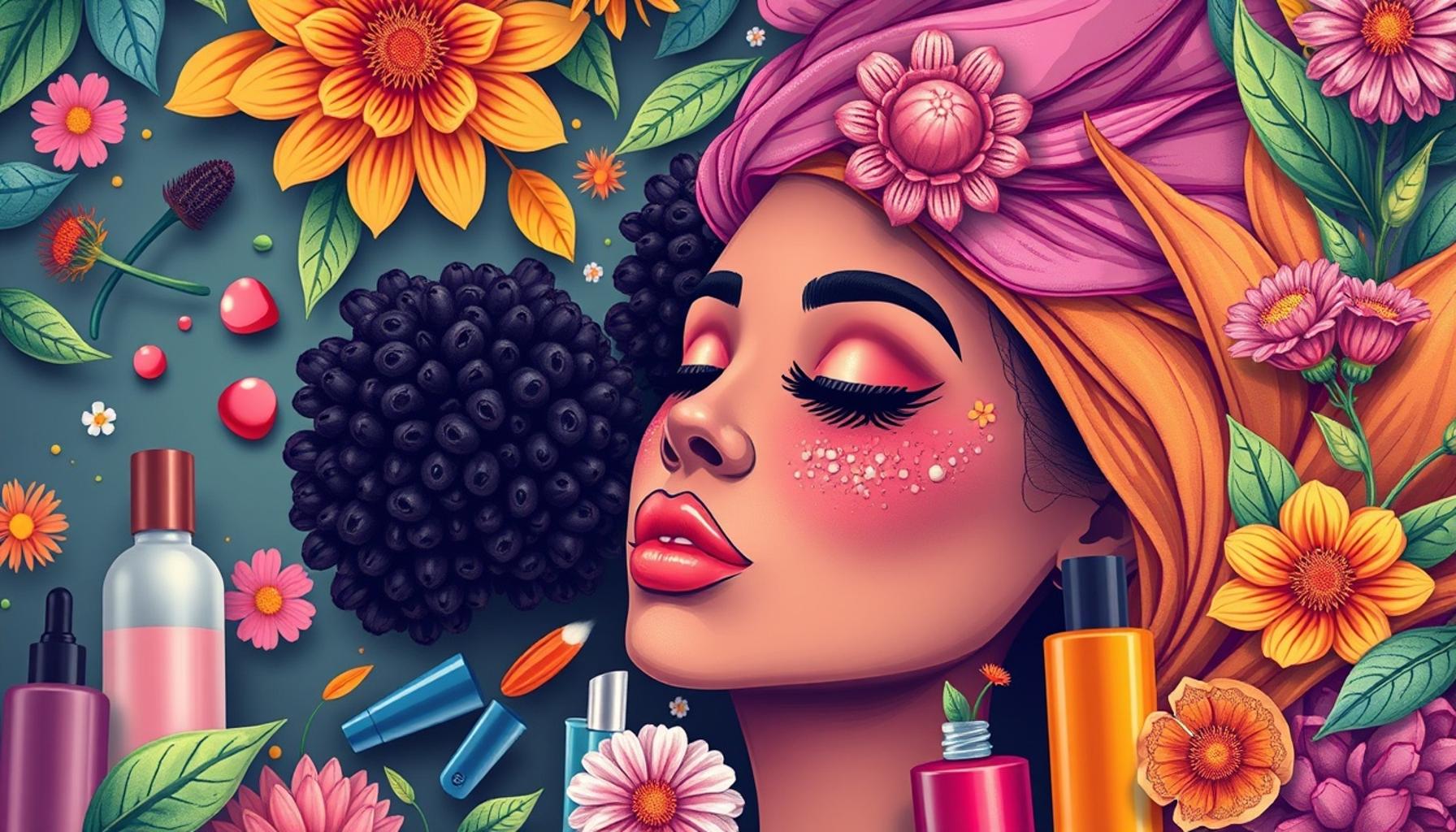
In a world where personal identity and representation are increasingly valued, the beauty industry is undergoing a significant transformation. Consumers are actively seeking out inclusive cosmetics that not only match their skin tone but also reflect their diverse backgrounds and experiences. This shift is not merely a trend, but rather a profound cultural movement that recognizes and celebrates the uniqueness of every individual.
Driving Forces Behind Inclusive Cosmetics
Several key factors have contributed to the burgeoning demand for inclusivity in the beauty sector. Among these is the issue of representation. Brands are now expanding their product lines to include a broader spectrum of shades and formulations that cater to different demographics. For instance, cosmetic giants like MAC Cosmetics have long embraced inclusivity with their extensive range of foundation shades, while newer brands like Beauty Bakerie are earning accolades for prioritizing diverse skin tones from the outset.
Another critical element is the drive for empowering self-expression. Today’s consumers are looking for makeup that allows them to articulate their identities and individuality. Brands are responding by creating products that encourage creativity and personal flair. Many makeup brands now feature campaigns that celebrate various cultures, promoting beauty in all its forms and inspiring consumers to embrace their uniqueness.
The conversation around awareness is equally vital. Discussions on social media concerning the lack of diversity in beauty advertisements and the representation of different ethnicities are influencing public perceptions. Platforms like Instagram and TikTok serve as spaces for diverse voices to be heard, allowing consumers to voice their expectations and experiences while holding brands accountable for their practices.
Industry Response and Future Implications
Leading brands have stepped up their game, evident in initiatives to prioritize diverse representation. For instance, Fenty Beauty, founded by Rihanna, has set groundbreaking standards by offering over 40 foundation shades, ensuring that individuals with varying skin tones can find their perfect match. The impact of such a move reaches beyond mere sales; it challenges traditional beauty norms and encourages other brands to follow suit.
Moreover, the rise of indie brands has introduced a wave of innovation, creating a competitive landscape that urges established companies to rethink their product offerings. Many of these indie brands are dedicated to serving niche markets that have been historically overlooked, thus further enlarging the concept of inclusivity.
This evolving focus challenges outdated notions of beauty. The landscape is gradually shifting to recognize that everyone, regardless of their background or appearance, deserves to feel seen and celebrated. As the industry continues to adapt, understanding the broader implications of inclusive cosmetics becomes essential for both consumers and brands alike. The journey towards embracing diversity in beauty is ongoing, and the future promises to be as colorful and varied as the consumer base it serves.
DISCOVER MORE: Click here to uncover the latest trends
Celebrating Unique Identities Through Inclusive Cosmetics
As consumers increasingly assert their individuality, the demand for inclusive cosmetics has taken center stage. This surge reflects a broader societal shift toward recognizing and valuing diversity across all facets of life, including beauty. The differentiation in consumer needs is no longer overlooked, as brands adapt to include a more comprehensive approach to cater to various ethnicities, skin types, and preferences.
One compelling aspect of the rise of inclusive cosmetics is rooted in the idea of intersectionality. This concept emphasizes that individuals can belong to multiple social identities, each shaping their experiences and perceptions of beauty. Today’s brands are making intentional efforts to address this complex reality, leading to products that offer versatile options. The beauty industry is also recognizing that a one-size-fits-all approach is obsolete, paving the way for tailored solutions.
Key Elements of Inclusive Beauty
To better understand how inclusive cosmetics are defining the beauty landscape, let’s explore some essential elements steering this evolution:
- Diverse Shade Ranges: Brands such as Maybelline and L’Oréal have expanded their offerings to accommodate various skin tones, ensuring that foundations and concealers are available from deep ebony to porcelain shades.
- Inclusive Marketing Campaigns: Campaigns featuring models of diverse ethnic backgrounds, ages, and body types are now more prevalent. These visuals represent a more accurate picture of the demographic they serve, making beauty feel accessible to everyone.
- Community Engagement: Brands actively seek feedback from their customers to tailor products to specific cultural needs or regional preferences. This engagement helps to build a loyal customer base that feels genuinely acknowledged.
- Sustainable Practices: Many inclusive makeup brands are also emphasizing ethical sourcing and environmentally-friendly products, appealing to consumers who care deeply about sustainability.
Furthermore, the influence of social media cannot be underestimated in this burgeoning landscape. Platforms such as Instagram and TikTok allow consumers to share their experiences and feedback, creating a dialogue between brands and their audiences. This two-way communication has empowered beauty lovers to push for improvements and innovations, nudging brands to respond swiftly and adapt their offerings accordingly.
Inclusive cosmetics are not just about the products themselves; they encapsulate a cultural paradigm shift that encourages everyone to feel beautiful in their own skin. As the industry gradually recognizes the multifaceted nature of beauty, it has amplified voices that were previously silenced, paving the way for a richer tapestry of representation in advertisements and products alike. This movement is not a fleeting trend, but a vital component influencing how beauty is defined and celebrated in today’s world.
While the first part highlights the fundamental shifts within the cosmetic industry, it’s essential to delve deeper into specific aspects of inclusive cosmetics and their implications for society. The rise of inclusive cosmetics is not merely about expanding product lines; it’s a cultural movement that resonates with a broader audience, aiming to reflect and celebrate the rich diversity in beauty.The impact of this movement is reflected in the commitment brands are making to provide a wide range of shades for all skin tones. A study by *NPD Group* revealed that beauty consumers, especially in underrepresented demographics, are more likely to support brands that prioritize diversity and inclusivity. This has not only fostered a sense of belonging but has also challenged outdated beauty norms that predominantly feature a narrow definition of attractiveness.Moreover, as social media continues to play a pivotal role in shaping consumer perceptions, influencers and customers alike are advocating for representation and authenticity. Platforms like Instagram have become stages for beauty enthusiasts to share their diverse looks, often showcasing cosmetics that cater to various skin types and ethnic backgrounds. This visibility is crucial, as it not only elevates brands that prioritize inclusivity but also encourages consumers to embrace their unique characteristics.Additionally, the accessibility of inclusive beauty extends beyond just makeup products. Many brands are now embracing ethical practices and eco-friendly packaging, which appeals to ethically conscious consumers. The inclusion of clean ingredients, cruelty-free testing, and sustainable practices signifies a shift in consumer preference towards brands that harmonize beauty with responsibility.These developments within the inclusive cosmetics landscape are noteworthy, as they reflect changing societal values and an increasing demand for representation. Beauty is inherently personal, and the industry’s evolution towards inclusivity empowers individuals to express their identities confidently. As this trend continues to grow, it invites continuous dialogue about the importance of recognizing and celebrating the beauty that exists in every shade, texture, and form. To further explore this dynamic topic, let’s look at an informative table that breaks down various categories and their benefits within the inclusive beauty industry.
| Category | Advantages |
|---|---|
| Diverse Shades | Allows all skin tones access to suitable products, promoting self-expression. |
| Inclusivity in Marketing | Encourages representation of various ethnicities and backgrounds, enhancing consumer trust. |
DISCOVER MORE: Click here to learn how to create your own skincare products
The Impact of Inclusive Cosmetics on Consumer Behavior
As the beauty industry shifts towards a more inclusive model, it’s essential to consider the impact that inclusive cosmetics have on consumer behavior and the overall market landscape. Research indicates that consumers today are more likely to support brands that openly embrace diversity, triggering an increase in revenue for those who align with their values. According to a 2021 report from McKinsey & Company, brands that prioritize diversity and inclusion could see an uptick in sales by as much as 30%, illustrating the financial benefits of recognizing varied identities.
One significant change in consumer behavior is the prioritization of authenticity in brand messaging. Today’s consumers are not just passive recipients; they actively seek brands whose values resonate with their own. This shift has compelled companies to present less polished and more relatable narratives in marketing campaigns. For instance, brands like Fenty Beauty, launched by Rihanna in 2017, disrupted the beauty space by showcasing real customers of all shapes, sizes, and colors, rather than traditional model-centric imagery. This fresh perspective has inspired other beauty giants to re-evaluate their marketing strategies and embrace a more genuine approach.
Grassroots Movements Fueling Change
Inclusive cosmetics enjoy momentum from various grassroots movements that advocate for representation and equality in beauty. Social justice campaigns focusing on body positivity and ethnic diversity provide a backdrop that encourages brands to rethink their product lines and messaging. The #AllSkinTones movement, for example, has called attention to an industry that has historically favored limited shade offerings, demanding that beauty brands respond with a broader range of products.
Inclusivity is also becoming intertwined with the concept of well-being. Consumers are not just interested in appearance; they are also prioritizing emotional wellness. Brands are recognizing this shift by promoting products that celebrate self-expression and individuality. For example, companies like Rare Beauty, founded by Selena Gomez, emphasize mental health in partnership with their beauty messages, promoting self-love alongside cosmetic products. This holistic approach to beauty resonates deeply with consumers, making them feel more connected to the brands they choose.
The Role of Innovation in Expanding Inclusivity
Innovation plays a pivotal role in the expansion of inclusive cosmetic lines. Many brands are incorporating advanced technologies to create products that cater to diverse skin types and conditions. For instance, brands are developing skincare-infused makeup that addresses specific needs such as sensitivity, acne, or dark spots. Companies like Tarte Cosmetics have introduced solutions to cater to the unique requirements of different demographics, ensuring that makeup is not just about aesthetics but also about health and care.
Inclusivity in cosmetics extends beyond mere product offerings; the industry’s evolution reflects a growing societal acknowledgment of diversity. Celebrating differences in beauty is no longer a niche endeavor but a mainstream movement that influences trends and consumer choices alike. As brands continue to innovate and adapt to the diverse tapestry of consumer identities, the future of beauty appears increasingly bright, vibrant, and inclusive. The dialogue around beauty is expanding, ushering in a new era where everyone can find a place, a product, and a voice that resonates with them.
DISCOVER MORE: Click here to dive into DIY skincare
Conclusion: The Future of Beauty is Inclusive
The rise of inclusive cosmetics marks a significant shift in the beauty industry, revealing a landscape that embraces diversity in a way that has never been seen before. As consumers demand more authenticity and representation, beauty brands are not only responding but reshaping their identities to reflect the values of inclusivity. This movement is not just a trend; it is a powerful statement that recognizes that beauty comes in all forms, shades, and sizes, resonating with a broader audience than ever before.
Innovations in product development are key to this transformation, as companies tap into advanced technologies to create cosmetics that cater to individual skin types and conditions, promoting both aesthetic beauty and skin health. Alongside these innovations, grassroots movements advocating for body positivity and cultural representation are pushing brands to expand their offerings, ensuring that everyone feels seen and valued.
As we continue to witness the evolution of the beauty market, it’s essential for consumers to remain engaged and vocal about their needs. Supporting brands that prioritize inclusivity not only drives sales but also shapes a healthier conversation about beauty standards. By celebrating our differences, the beauty industry is paving the way for a newfound sense of community and acceptance. The future is undeniably bright; the beauty revolution is here, and it’s diverse, inclusive, and empowering. In this ever-evolving sphere, find your place, express your uniqueness, and continue to champion the idea that beauty truly knows no bounds.