The Influence of Microcultures on New Makeup Trends: Local Styles Dominating the Global Scene
The Spotlight on Microcultures in Beauty Trends
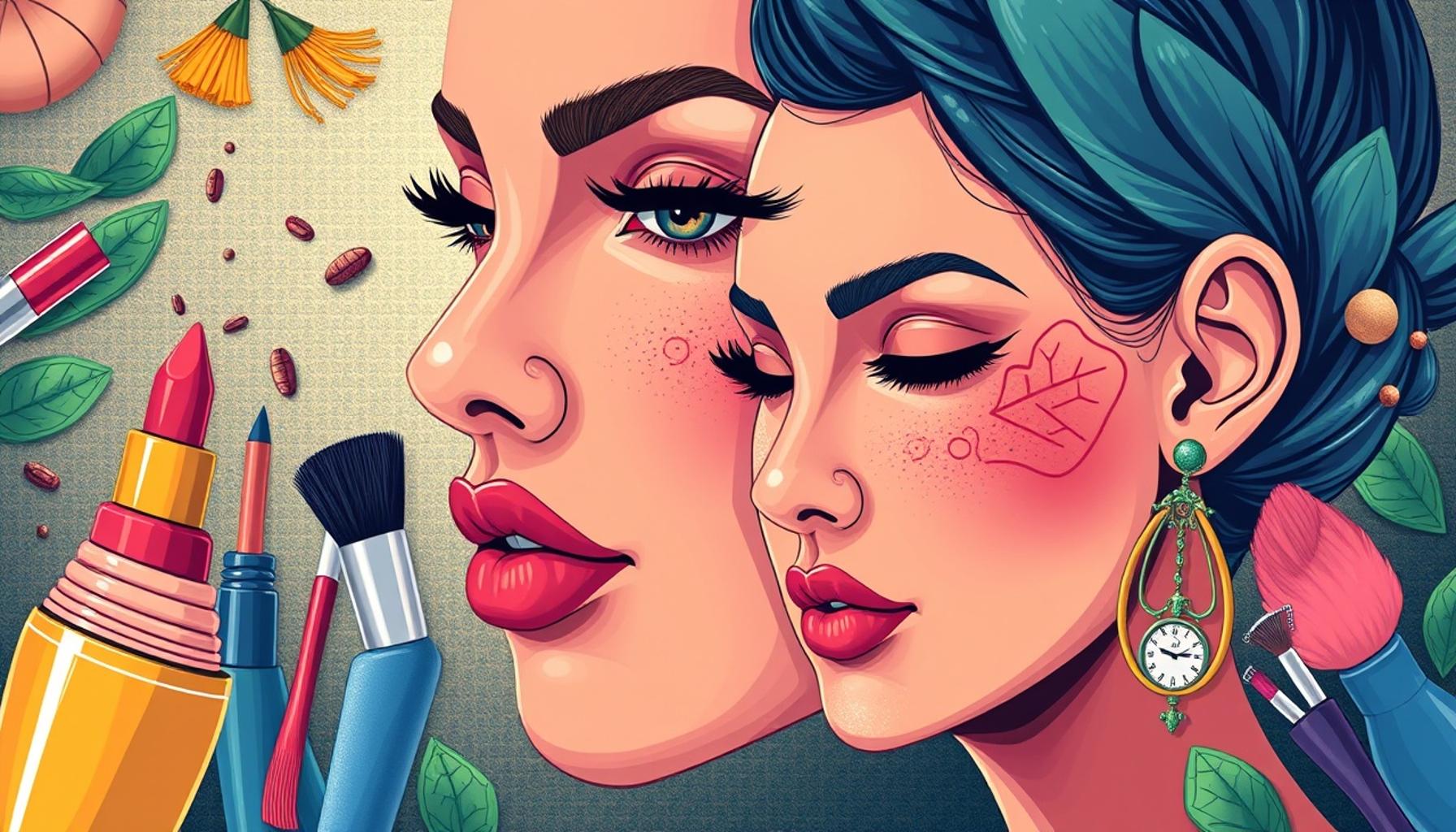
In today’s ever-evolving beauty landscape, it’s evident that global makeup trends are increasingly shaped by microcultures. These small, often overlooked groups are redefining beauty norms, merging traditional practices with modern aesthetics. Localized styles are now grabbing attention on a worldwide scale, leading to unique innovations in makeup.
One of the most significant influences of microcultures is their vibrant use of regional colors. For instance, artisans from the Amazon have been known to incorporate natural pigments like annatto, creating stunning shades that not only reflect the diversity found in nature but also tell stories of cultural heritage. Meanwhile, the Mediterranean has inspired hues reminiscent of its picturesque landscapes, seen in the use of ochre and deep blues that echo the sea and sun.
Additionally, unique techniques play a considerable role in how beauty is expressed across various microcultures. For example, the Korean contouring technique, which emphasizes a softer, more natural appearance, contrasts sharply with the bold, sculpted looks popularized in Western beauty standards. These distinct methods not only enhance aesthetics but also resonate with the values and identities of the cultures from which they originate.
Beyond color and technique, inspired packaging is a crucial aspect of how products are marketed. Many brands are now adopting design cues from local art and fashion, infusing their products with cultural relevance that appeals to consumers. For instance, makeup brands in the United States have begun to draw inspiration from Indigenous art, using symbols and motifs to create packaging that honors these traditions while also being visually striking.
As these unique influences permeate the mainstream, the question arises: What drives these microcultures to the forefront? Is it the power of social media, or is there a deeper yearning for authenticity? The answer is multi-faceted. Social media platforms, particularly Instagram and TikTok, have provided a global stage for these microcultures to showcase their beauty trends, often going viral and reaching audiences far beyond their locales.
Emerging trends such as cottagecore makeup from younger generations and the rise of streetwear looks exemplify a clear desire for personal expression. Beyond being mere fashion statements, these trends represent a return to nature and authenticity, reflecting a collective consciousness around the importance of identity and sustainability in beauty care.
In this exploration, we will delve deeper into how these microcultures are setting the stage for a transformation in contemporary beauty, challenging the global beauty standards we’ve come to know. Each unique influence adds a layer to the narrative of beauty, encouraging a broader acceptance of diverse aesthetic experiences. As we continue to celebrate these innovative trends, it becomes increasingly clear that the future of beauty lies in embracing the rich tapestry of cultures that surround us.
DON’T MISS: Click here to learn why daily SPF is essential
Microcultures Shaping Color Palettes and Techniques
The heart of makeup lies in its color and application, and microcultures are redefining these elements in innovative ways. The influence of regional color palettes extends far beyond mere aesthetics; it weaves a narrative of identity, history, and artistic expression. For example, the cultural richness of the Indian subcontinent has ignited a surge in the popularity of bold, vibrant colors, with products often inspired by traditional ceremonies and festivals. These colors—deep reds, vibrant oranges, and shimmering golds—are not only visually captivating but also imbued with cultural significance, indicating a collective story that resonates with many consumers across the globe.
Similarly, the use of nature-inspired hues has become a hallmark of microcultures worldwide. The earth tones inspired by Australian Aboriginal art are finding their way into palettes marketed in the US, blending with contemporary beauty trends to invoke a sense of authenticity and connection to the land. This melding of traditional color inspiration with modern trends illustrates the dynamic interchange between local cultures and global beauty standards, making beauty both an art form and an expressway for cultural dialogue.
Techniques are another vital aspect where microcultures shine, showcasing diverse approaches to beauty that differ significantly from the mainstream. Consider the rising trend of *glow from within*, prevalent in Japanese beauty, which emphasizes skincare and a natural dewy finish over heavy makeup. This technique signifies a shift towards valuing skin health and embracing natural features, appealing in an era that increasingly prioritizes sustainability and holistic wellness.
Fascinating Techniques Influenced by Microcultures
- Japanese Dewy Glow: Highlights skin texture and health over heavy application.
- K-Pop Inspired Layering: A multi-product approach that creates tailored looks using multiple products to achieve a soft, gradient finish.
- Indigenous Texturing: Utilizing manual application for unique textures and finishes, inspired by traditional methods.
Moreover, as shared techniques gain traction online, their visibility increases dramatically through platforms like TikTok and Instagram. These platforms provide a launchpad for beauty influencers who blend traditional methods with contemporary trends. The end result is a democratization of beauty where techniques once reserved for specific cultures are made accessible and desirable to a broader audience.
The appetite for authenticity and personalization in beauty is leading brands to explore microcultures that encourage expression over conformity. Consumers are actively seeking makeup that reflects their individuality, often resonating more with localized styles rather than homogenized global trends. This evolving landscape highlights a significant shift in consumer behavior—where beauty is less about fitting into established norms and more about celebrating cultural diversity and personal identity.
As we navigate this transformative age in beauty, it becomes apparent that the forward momentum of makeup trends increasingly hinges on the influences of microcultures. These local styles are not just fleeting fads but deeply rooted expressions of community, creativity, and identity. The blending of these vibrant influences promises a richer and more diverse future for the beauty industry, compelling stakeholders to pay closer attention to these vital sources of inspiration.
The Shift in Makeup Trends Due to Microcultures
Microcultures are becoming pivotal in shaping contemporary makeup trends, as they bring fresh perspectives and unique practices into the global arena. These small, often localized communities harness their cultural heritage to innovate within the beauty industry, resulting in products and styles that resonate with authenticity. This fusion of local traditions with modern techniques is not just a trend but a movement that challenges conventional beauty standards.One noteworthy example is the rise of *street style makeup,* heavily influenced by urban microcultures. Each neighborhood may boast its own unique palette, inspired by its cultural backdrop. Bright graffiti-like hues from vibrant urban areas are making their way into cosmetics lines, while the minimalist aesthetics championed by other microcultures show a stark contrast, promoting a subtle yet striking appearance.Additionally, the appeal of sustainable and ethical makeup options is on the rise, fueled by communities intent on preserving their local environments and cultural identities. Brands reflecting these values are often celebrated for their genuine approach and dedication to fostering community wellness through beauty. This trend showcases how deeply ingrained beliefs about beauty, culture, and identity can stir market interests, driving consumers toward brands that represent their values. As more individuals seek to connect with their roots in an increasingly globalized world, the emphasis on harnessing local styles becomes imperative. Makeup enthusiasts are now looking beyond traditional beauty standards, embracing their unique cultural narratives while contributing to the broader fabric of global trends. The merging of these microcultures not only enriches the beauty experience but elevates diverse voices, asserting their role in the narrative of contemporary makeup artistry. Moreover, with the power of social media amplifying these local styles, influencers and beauty gurus are bringing attention to the microcultures shaping the industry. This exposure leads to an exciting democratization of beauty trends, where local nuances can inspire a global audience, proving that the influence of microcultures can indeed redefine the makeup landscape.
| Category 1 | Category 2 |
|---|---|
| Street Style Influence | Bringing urban hues to mainstream makeup. |
| Sustainable Practices | Promoting eco-friendly products that reflect cultural values. |
DISCOVER MORE: Click here to learn about natural ingredients in male grooming
Microcultures and the Rise of Sustainable Beauty
In an era marked by increasing environmental awareness, sustainable beauty has emerged as a significant trend influenced by microcultures. As consumers become more attuned to the environmental impact of their purchases, the beauty industry responds by adopting practices rooted in local traditions that prioritize sustainability. Notably, brands are drawing inspiration from indigenous cultures that have long embraced eco-friendly beauty practices, fostering a renewed interest in natural ingredients and ethical sourcing.
The rise of organic and plant-based makeup products is a prime example of this shift. Brands focused on sustainability are now utilizing ingredients such as cacao butters from indigenous communities in South America or feathers and roots traditionally used in African beauty rituals. These ingredients not only provide unique formulation opportunities but also carry rich stories that can engage consumers on a more emotional level. Such narratives resonate strongly in target markets that prize authenticity, with consumers eager to incorporate products that reflect a commitment to both culture and the environment.
Moreover, this quest for sustainability is feeding into the phenomenon of upcycling—the creation of new makeup products from discarded or surplus materials. Microcultures are at the forefront of this movement, as regional artisans and brands harness local waste materials to produce innovative cosmetics. For instance, brands in Europe are using leftover food waste from fruit markets to create pigments, while local artist collectives in Africa are crafting makeup products from materials found in their surroundings. This creative spirit not only respects the local ecosystem but also supports community economies, bridging the gap between beauty and sustainability.
Community Engagement Through Localized Products
As consumers increasingly seek connection with the brands they support, community engagement within microcultures plays a pivotal role. Makeup companies that embrace local narratives not only promote their products but also empower communities by creating jobs, fostering crafts, and sharing unique beauty rituals. For example, brands like Beauty Bakerie have taken root in the Black community, celebrating the diversity of skin tones and expanding their product lines to include shades that cater to a multitude of undertones typically overlooked by mainstream brands. This not only enhances inclusivity but reinforces the notion that beauty should reflect the cultural diversity found within society.
Social media platforms are not just amplifying these efforts; they are also reshaping the landscape of how brands communicate these stories. Influencers, often emerging from microcultures, are now curating content that highlights these community-driven initiatives. This organic dialogue transforms traditional marketing into a narrative-driven approach where consumers feel personally invested in the story behind the product.
As a result, microcultures are not only influencing makeup colors and techniques but also enforcing a broader cultural awareness that reflects a commitment to sustainability and social justice. This burgeoning trend invites consumers to engage with beauty products that honor both their heritage and their commitment to the environment, creating a powerful narrative that challenges conventional beauty standards.
In this interconnected landscape of beauty, the role of microcultures extends beyond mere inspiration. It establishes a framework for ethical beauty standards driven by community values, promoting authenticity in a world where globalization can sometimes dilute local identities. By centering localized practices and stories, the beauty industry is embarking on a transformative journey that could redefine what makes a product desirable—from not only how it looks on the surface but also the meaningful impact it has on communities around the globe.
DIVE DEEPER INTO: Click here to uncover cultural insights
Conclusion: Embracing Diversity in Beauty Through Microcultures
The intersection of microcultures and makeup trends signifies a profound shift in the beauty industry, one that celebrates authenticity and cultural narratives while championing sustainability. As global consumers increasingly seek deeper connections with the products they use, it becomes clear that local styles are not just influencing trends—they are reshaping the very fabric of beauty norms. Ethically sourced ingredients, upcycled materials, and community-driven initiatives reflect the growing desire for products that are not only visually appealing but also meaningful.
From the vibrant hues of indigenous plant-based palettes to brands expanding their shade ranges for inclusivity, these localized practices provide a fresh perspective on beauty, emphasizing a return to heritage and environmental responsibility. Moreover, social media has paved the way for these microcultures to amplify their voices, allowing unique stories to resonate with a broader audience and fostering a sense of global community.
As we move forward, it is essential for both consumers and brands to recognize the importance of cultural sensitivity and respect in this evolutionary landscape. The future of makeup is not simply about trends dictated by the mainstream; it is about cultivating a rich tapestry of diverse influences that honor and uplift the communities from which they originate. This movement toward localized beauty enhances our understanding of beauty itself, encouraging a more inclusive and sustainable approach that values every individual’s unique narrative while recognizing our shared human experience.