The Importance of Natural Ingredients in Cosmetics: Trends that Enhance Skin Health
Understanding the Natural Ingredients Trend
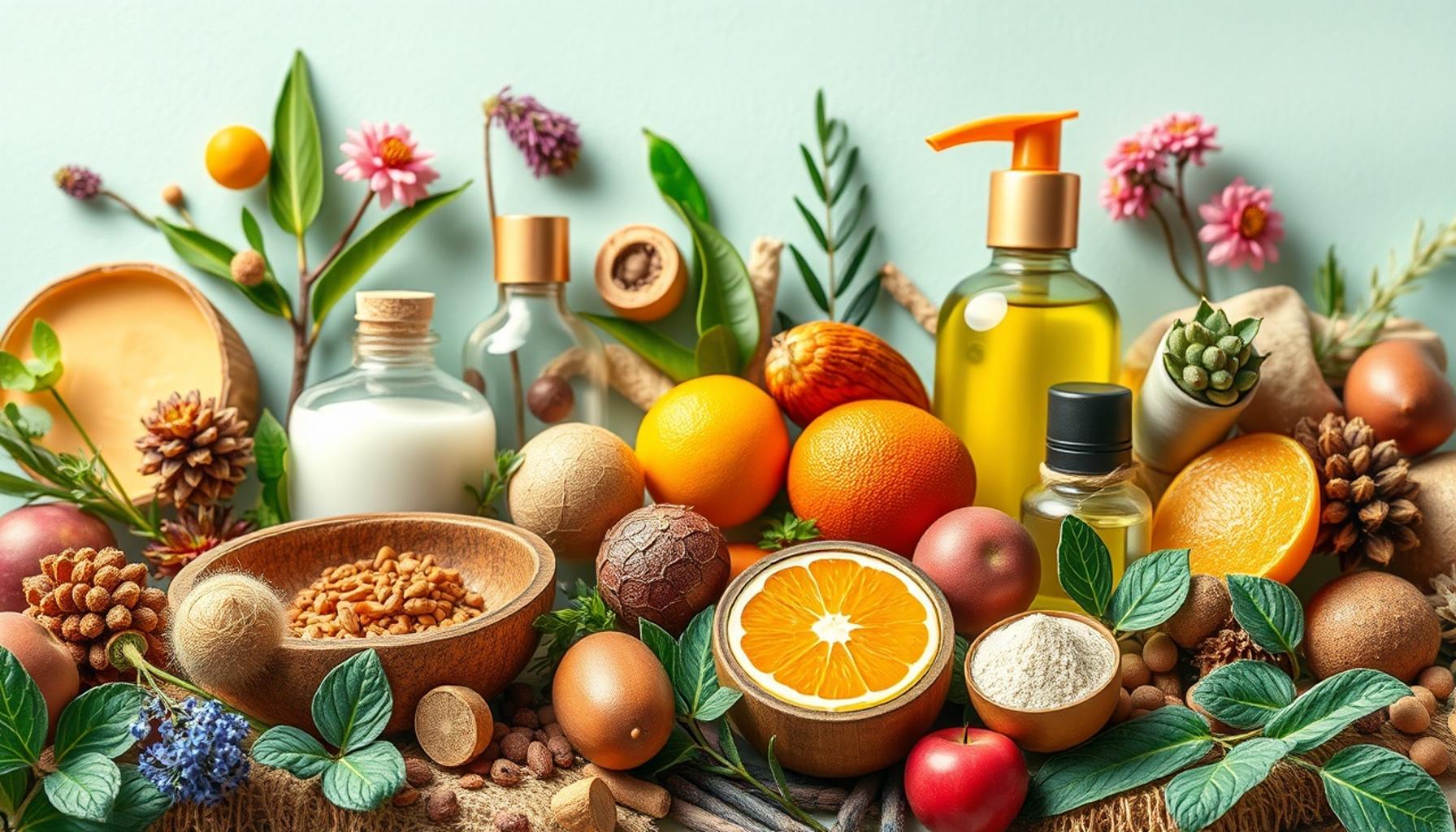
In recent years, the cosmetics industry has witnessed a paradigm shift as consumers increasingly gravitate towards the use of natural ingredients. This movement, largely fueled by heightened awareness of health and environmental concerns, reflects the desires of consumers seeking not just cosmetic enhancement but genuine improvement in overall skin health.
One compelling aspect of natural ingredients is their enhanced bioavailability, meaning that nutrients from these ingredients are more readily absorbed by the skin. For instance, ingredients like aloe vera are rich in vitamins, minerals, and antioxidants that not only soothe the skin but also provide substantial hydration and nourishment. This can be particularly beneficial for individuals with sensitive skin, who may find relief from irritation caused by synthetic additives in conventional products.
- Furthermore, many consumers are becoming more discerning and actively seek products that avoid harsh chemicals and synthetic compounds associated with skin irritation, allergies, or long-term health risks.
- The push for eco-friendliness has also led to an increasing demand for sustainable production practices among beauty brands, with transparency regarding sourcing and ingredient integrity becoming a key factor in consumer decision-making.
This movement towards natural ingredients aligns with a broader, evolving understanding of personal well-being and the environmental impact of consumer choices. For example, popular ingredients such as coconut oil and shea butter are not just celebrated in holistic beauty circles; they have broken into mainstream cosmetic brands, becoming staples in countless daily beauty regimens across the United States.
The Benefits of Going Natural
Choosing cosmetic products that harness the potential of nature can profoundly impact skin health, with benefits that range from simple hydration to enhanced overall vitality:
- Reduced risk of allergic reactions: Natural products typically contain fewer allergens than their synthetic counterparts, lowering the likelihood of adverse skin responses.
- Enhanced hydration and nourishment: Ingredients sourced from nature often come with restorative properties that promote a healthy moisture balance, yielding softer and more supple skin.
- Improved skin texture and elasticity: Many natural oils and butters contain essential fatty acids and vitamins that help in maintaining skin’s structure, reduce dryness, and promote elasticity.
As the popularity of natural cosmetic products continues to soar, it is crucial for consumers to understand the array of benefits these ingredients offer. By delving deeper into the significance of natural ingredients in cosmetics, readers can discover how this trend not only redefines contemporary beauty standards but also encourages a more mindful approach to skincare that prioritizes health and environmental sustainability. With so much to explore, the journey towards a more informed beauty regimen is just beginning.
DISCOVER MORE: Click here to learn how to adapt your routine
Unlocking the Power of Nature in Skincare
As consumers become increasingly aware of the long-term implications of their skincare choices, the demand for products infused with natural ingredients has surged. This shift in consumer behavior signals a desire for authenticity and efficacy in skincare solutions. Natural ingredients, derived from plants, minerals, and other organic sources, provide a wealth of benefits that synthetic components often fail to deliver. For example, botanical extracts such as green tea and chamomile are praised for their potent antioxidant properties, helping to combat oxidative stress that can lead to premature aging and skin damage.
Moreover, the growing concern for skin health goes hand in hand with the rise of clean beauty. Consumers are more inclined to read labels and understand the origin of products. Ingredients like jojoba oil and hyaluronic acid not only hydrate the skin but are also celebrated for their skin compatibility, reducing the likelihood of irritation commonly associated with synthetic alternatives.
- Skin Compatibility: Many natural ingredients share similar compounds with our skin, enhancing absorption and minimizing reactions. This is particularly important for those with sensitive skin, who may need to avoid chemical additives that can provoke a response.
- Environmental Concerns: The push for environmentally conscious beauty practices is gaining momentum as consumers opt for brands that prioritize sustainability. Products free from harmful synthetic chemicals, which can pollute the environment, are on the rise.
- Holistic Approach: The trend towards natural ingredients also aligns with a holistic approach to health, wherein beauty and wellness are interlinked. Natural products support not just physical beauty but encourage a sense of well-being through their nourishing properties.
In addition to ethical considerations, the transparency in sourcing these ingredients fosters a deeper connection between consumers and brands. Many companies now share the stories of how their ingredients are harvested, ensuring fair trade and sustainable practices. This buyer awareness translates into a heightened trust, as consumers prefer brands that endeavor to uphold ethical standards over those that do not.
Interestingly, the changing tide in consumer preferences is not merely a fleeting trend. Reports indicate a growth trajectory in the natural cosmetics market, projected to reach $22 billion by 2024. This growth underscores the significant impact of natural ingredients on the beauty industry, transforming typical product lines into ones that advocate for safer, healthier skincare choices.
As we delve deeper into this exploration of natural ingredients in cosmetics, it’s crucial to recognize the multifaceted benefits that lay beyond the surface. The embrace of natural skincare not only enhances individual health but also promotes a culture of sustainability and responsibility, making it pertinent for consumers to stay informed and engage consciously with their beauty regimen.
The Importance of Natural Ingredients in Cosmetics: Trends that Enhance Skin Health
As consumers become increasingly aware of the adverse effects that synthetic ingredients can have on both skin health and the environment, the demand for cosmetics made with natural ingredients continues to rise. One of the dominant trends shaping the cosmetics industry today is the shift toward formulations that prioritize sustainability and safety. Essential oils, plant extracts, and other natural components provide beneficial properties that cater to various skin types and conditions. Let’s delve deeper into some compelling reasons why natural ingredients are becoming the cornerstone of modern skincare.
Natural ingredients possess numerous therapeutic benefits that synthetic alternatives often lack. For instance, botanical extracts such as chamomile and calendula are renowned for their anti-inflammatory properties, making them ideal for calming irritated skin. These natural extracts can enhance overall skin health by providing nutrients that promote healing and repair. Moreover, many natural components are rich in antioxidants, which help fight oxidative stress and prevent premature aging.
In addition to functional benefits, the transparency surrounding natural cosmetic formulations appeals to the conscious consumer. Brands are increasingly providing information about their sourcing and production practices, ensuring that consumers can make informed choices. The limited use of harmful preservatives and fillers found in many traditional cosmetics also aligns with consumer desires for cleaner, more trustworthy products. This trend reflects a broader movement towards holistic wellness that prioritizes both personal and environmental health.
| Advantages | Key Features |
|---|---|
| Gentle on Skin | Natural ingredients often have fewer irritants compared to synthetic chemicals, making them suitable for sensitive skin. |
| Environmental Responsibility | Sustainable sourcing and biodegradable formulations are at the forefront of natural cosmetics, appealing to eco-conscious consumers. |
Furthermore, brands are innovating with new extraction methods and formulations that enhance the bioavailability of these natural compounds, ensuring that they work effectively for improved skin health. Innovations such as cold-pressed oils and fermentation processes increase efficacy, setting a new standard for skincare performance. The exploration of unique natural ingredients from different cultures also enriches the market with diverse benefits, allowing consumers to discover global wellness practices.
Ultimately, the integration of natural ingredients into cosmetic formulations represents more than just a trend; it signifies a fundamental shift towards a more conscientious approach to beauty that prioritizes not only individual skin health but also the well-being of the planet. As awareness continues to grow surrounding the benefits of natural alternatives, the cosmetics landscape will likely evolve, paving the way for more innovative, effective, and sustainable skincare solutions.
DISCOVER MORE: Click here to learn about the benefits of herbal extracts
The Science Behind Natural Ingredients
As the trend towards the use of natural ingredients in cosmetics continues to grow, understanding the science behind these components becomes vital. Natural ingredients offer not only physiological benefits but also contribute to the overall experience and efficacy of cosmetic products. For instance, compounds found in ingredients such as aloe vera and coconut oil are not only nurturing but also packed with bioactive compounds that work synergistically to enhance skin health.
Aloe vera, known for its soothing properties, contains vitamins, enzymes, and amino acids that work to regenerate skin cells and improve hydration. Studies have shown that topical application of aloe vera can help reduce the appearance of scars and sunburn while combatting inflammation. Meanwhile, coconut oil has been researched for its ability to penetrate the skin barrier more effectively than many synthetic alternatives, offering deep conditioning and nourishment.
Furthermore, the benefits of essential oils derived from plants—like lavender and tea tree—extend beyond their delightful aromas. These oils contain antimicrobial and anti-inflammatory properties, making them ideal for targeting issues like acne and skin irritation. The shift toward incorporating such positive benefits aligns perfectly with consumer demand for more effective yet naturally derived solutions.
- Holistic Benefits: The holistic wellness movement intertwines with the natural ingredient trend, suggesting that beauty is not only skin deep. Ingredients like rosehip oil, rich in vitamins A and C, promote both skin rejuvenation and emotional well-being through aromatherapy.
- Increased Research and Development: The surge in demand has led companies to invest significantly in research and development of natural formulations. Not only does this accelerate the penetration of beneficial ingredients into mainstream products, but it keeps brands innovating to meet evolving consumer expectations.
- Regulatory Standards: As consumers become more discerning, brands are also held to higher standards. Regulatory bodies are beginning to implement stricter guidelines on what constitutes “natural,” thereby ensuring that only true quality ingredients make it to retailers.
The momentum towards natural ingredients is increasingly visible not just in skincare products but also in color cosmetics, haircare, and even fragrance. Brands are now exploring natural pigments derived from plants, such as beetroot and turmeric, which provide both color and health benefits without the potential skin irritants found in synthetic dyes.
Moreover, an interesting trend worth noting is the rise of DIY beauty products. With the wealth of information available online, consumers are taking skincare into their own hands by creating natural concoctions at home. This trend speaks volumes about consumer empowerment and the desire to understand exactly what is going on their skin.
Additionally, brands that prioritize transparency and sourcing practices are recognized and rewarded by an increasingly savvy consumer base. Initiatives such as “eco-certifications” are becoming important criteria for purchasing decisions, pushing brands to maintain rigorous standards concerning the sustainability and ethical sourcing of their natural ingredients.
In summary, the combination of informed consumers, scientific support for natural ingredients, and a push for transparency has created a compelling narrative around natural cosmetics. It reflects not just a passing fad but a genuine paradigm shift towards health and wellness in the beauty industry.
DIVE DEEPER: Click here to learn more
Conclusion
In an age where consumer awareness is at an all-time high, the movement toward natural ingredients in cosmetics is more than just a trend; it is a significant shift towards prioritizing skin health and overall well-being. As explored, the powerful properties of natural ingredients—ranging from aloe vera to essential oils—not only nurture the skin but also provide therapeutic benefits that enhance emotional wellness. This growing consumer demand for transparency and efficacy is urging brands to rethink their formulations and pay closer attention to sourcing and sustainability.
The intersection of holistic health and cosmetic science presents an exciting opportunity for innovation. As companies invest in research and development, we can expect a wider array of products that deliver both beauty and health benefits without compromising on quality or values. The rise of DIY beauty further empowers consumers, allowing them to confidently take charge of their skincare routines with a deeper understanding of what they apply to their skin.
With increasing regulatory standards and an informed customer base, it is clear that the future of cosmetics lies in authenticity and ethics. As brands adapt to this shift, those that embrace natural ingredients will likely not only lead the market but set the benchmarks for quality and sustainability. In this evolving landscape, exploring and educating oneself about the myriad benefits of natural ingredients will be crucial. The transition to more nature-focused formulations heralds a future where cosmetics not only beautify but also promote genuine health and wellness, encouraging consumers to appreciate the beauty in nature and its role in skin care.