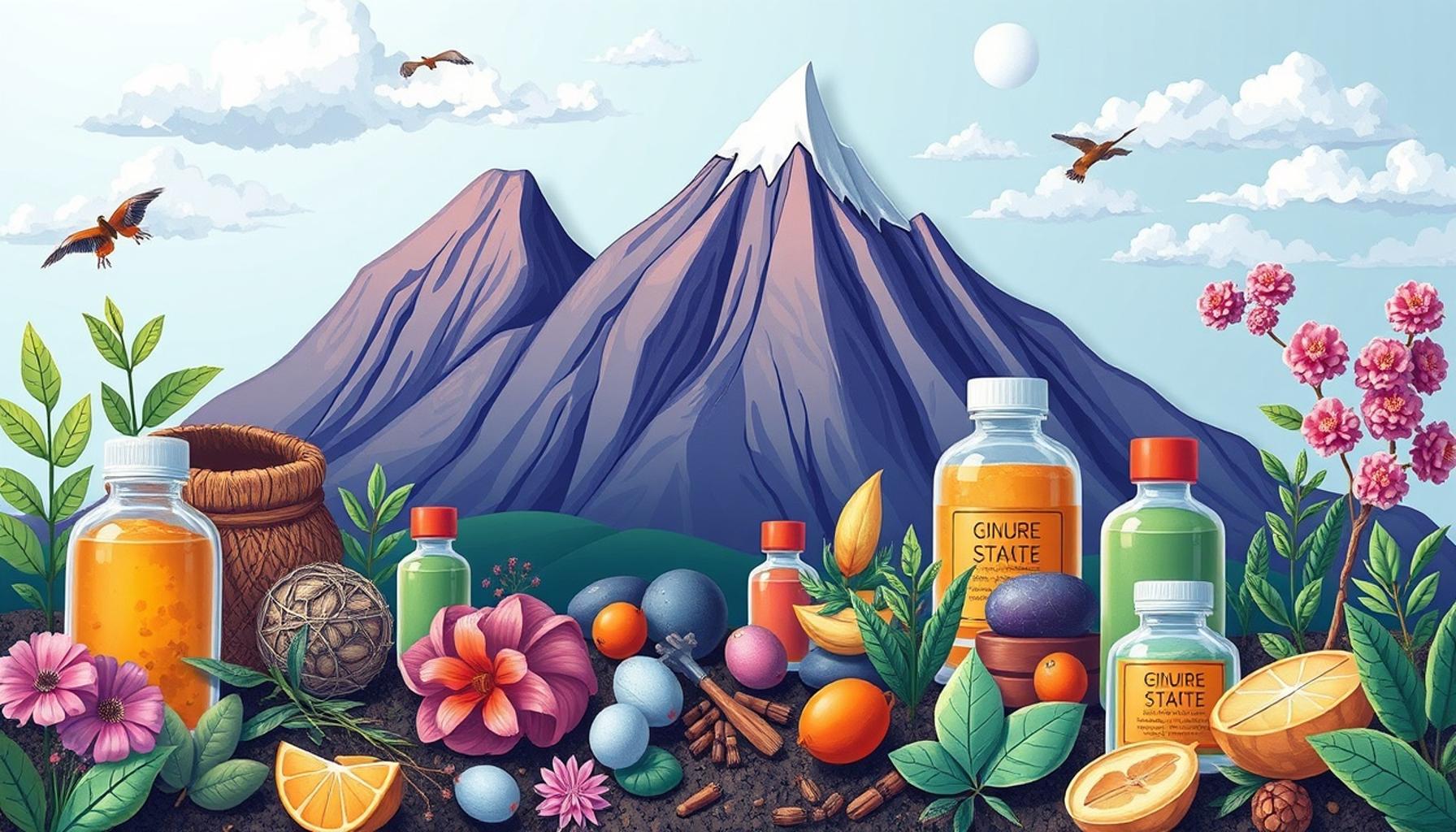
The Role of Indigenous Plants in Modern Skincare Formulations

Understanding the Rise of Indigenous Plants in Skincare
In recent years, there has been a significant shift in consumer preferences towards natural and organic products, particularly within the skincare industry. This movement has opened doors to the exploration of indigenous plants, which have long been a staple in various cultures for their remarkable skin benefits. These plants are not only beautiful and unique but possess a myriad of therapeutic properties that cater to diverse skin types and conditions.
Rich Biodiversity plays a pivotal role in the efficacy of indigenous plants. Adapted to their specific environments, these florae produce compounds with robust antioxidant, anti-inflammatory, and antibacterial properties. For instance, the Tamanu tree, native to Polynesia, yields oil that can heal wounds, reduce scars, and soothe skin irritations. Similarly, the kakadu plum, found in Australia, is known for its incredibly high vitamin C content, which helps brighten the skin and promote collagen production, making it a star ingredient among skincare enthusiasts.
Another compelling reason for the growing inclination towards indigenous plants in skincare is environmental sustainability. Sourcing local ingredients not only minimizes the carbon footprint associated with shipping international products but also promotes biodiversity conservation. Brands focused on sustainability often partner with local communities to harvest these plants responsibly, contributing to the local economy and encouraging practices that protect these natural resources for future generations.
Moreover, the traditional knowledge embedded in the use of these plants is invaluable. Indigenous cultures have utilized their native flora for centuries, developing a rich understanding of the plants’ medicinal and cosmetic properties. This wisdom is beginning to receive recognition in modern science, with many skincare companies conducting research to validate these traditional uses, ensuring that the efficacy of these ingredients is backed by scientific evidence.
Notable Examples of Indigenous Plants
Several indigenous plants have made a notable impact on the skincare market:
- Aloe Vera: Frequently celebrated for its soothing properties, aloe vera gel is a common ingredient in after-sun care products and moisturizing creams due to its ability to hydrate and cool the skin.
- Jojoba Oil: While often linked with rich deserts, this oil is actually a liquid wax that mirrors the skin’s natural sebum, making it an excellent moisturizer that can penetrate deeply without clogging pores.
- Palm Oil: Sourced from indigenous palm species, this oil is often found in creams and lotions, prized for its moisturizing and skin-repairing qualities.
As consumers become increasingly aware of the ingredients in their skincare regimes, there is a growing demand for natural and indigenous ingredients. This pursuit goes beyond the tangible benefits to skin health; it acknowledges and respects the cultural significance of these plants. The combination of ethical sourcing, scientific validation, and cultural heritage offers a compelling narrative that resonates with today’s conscientious consumers.
This exploration into indigenous plants not only champions their practical advantages but also serves as a reminder of the need to protect and celebrate the natural resources and knowledge held by indigenous cultures worldwide. By investing in these ingredients, we not only enhance our beauty routines but also become part of a larger movement towards sustainability and respect for cultural heritage.
DISCOVER MORE: Click here to learn about the benefits of probiotics in beauty products
The Unique Benefits of Indigenous Plants in Skincare
The renaissance of indigenous plants in modern skincare formulations can be attributed to their unique bioactive properties. These plants have co-evolved with their respective ecosystems, making them rich in compounds specifically designed to thrive in challenging environments. Consequently, they provide an array of benefits that can significantly enhance skin health.
One of the most captivating aspects of indigenous plants is their adaptogenic abilities. For instance, the ashwagandha herb, traditionally used in Ayurvedic medicine, is celebrated for its stress-reducing and skin-rejuvenating properties. Recent studies have highlighted its effectiveness in combatting skin aging by promoting cellular repair and improving skin elasticity. Similarly, the moringa tree, often referred to as a “miracle tree” in various cultures, boasts an impressive profile of antioxidants, vitamins, and minerals. The oil derived from its seeds is lauded for its ability to deeply moisturize, making it a beloved ingredient in creams and serums aimed at dry skin.
Moreover, the incorporation of indigenous plants like the bamboo extract into skincare products speaks to another significant benefit: their sustainability. Bamboo is not only renewable but also grows rapidly, making it an eco-friendly ingredient that appeals to conscious consumers. Its rich silica content enhances skin hydration and promotes collagen synthesis, establishing it as an essential player in many formulations designed for youthful skin.
As brands strive for authenticity in their offerings, the story behind these indigenous plants has taken center stage. The use of ingredients like cactus oil from the prickly pear has surged in popularity, primarily due to its impressive moisturizing capabilities and high levels of vitamin E. Cactus oil helps protect the skin barrier, making it particularly useful for individuals residing in arid climates or those struggling with compromised skin barriers due to environmental stressors.
Exploring the Diverse Plant Profiles
Here are several indigenous plants making waves in the skincare industry:
- Sea Buckthorn: Known for its high content of essential fatty acids and antioxidants, sea buckthorn oil repairs damaged skin and promotes a healthy, glowing complexion.
- Shea Butter: Harvested from the nuts of the shea tree, this rich butter is revered for its intense moisturizing properties, making it a go-to for dry skin and promoting skin elasticity.
- Calendula: With anti-inflammatory properties, calendula extract is celebrated for calming skin irritations and promoting wound healing, thus making it a favored ingredient in soothing lotions and creams.
Through the lens of these indigenous plants, we can see a growing trend that prioritizes the merging of tradition with modern science. This shift not only benefits skincare advocates but also fosters a deeper appreciation for the cultural significance and ecological value of these plants. As consumers become more informed, they are more likely to seek products that contribute to ecological health and traditional wisdom, leading to a more sustainable and holistic approach to beauty.
The Healing Power of Nature: Indigenous Plants in Skincare
Indigenous plants have long been revered for their potent healing properties and are now gaining traction in modern skincare formulations. These plants, adapted to their environments over centuries, offer a unique profile of nutrients, antioxidants, and bioactive compounds that enhance skin health. Their incorporation into skincare products represents a significant shift from synthetic chemicals to natural, sustainable options.
Benefits of Indigenous Plants
One of the primary advantages of using indigenous plants in skincare is their rich phytochemical content. For instance, plants like Kakadu plum, native to Australia, boast the world’s highest concentration of vitamin C, promoting collagen production and brightening the skin. Meanwhile, desert plants such as prickly pear are rich in vitamins and fatty acids, ideal for hydrating and soothing dry skin.Additionally, indigenous plants have been used in traditional remedies for centuries, ensuring that their safety and effectiveness are backed by time-tested practices. This historical knowledge is being combined with modern scientific research to create innovative formulations that harness the best of both worlds. By sourcing ingredients from indigenous plants, brands not only create effective skincare solutions but also contribute to the preservation of biodiversity and support local communities.
Environmental Impact
Utilizing indigenous plants also has positive implications for environmental sustainability. Many of these plants require less water and are more resilient to climate changes, making them a more viable option for ecological skincare. This approach aligns with a growing consumer preference for environmentally friendly products, highlighting the role of sustainability in modern skincare narratives.With ongoing research and development, the future of skincare formulations incorporating indigenous plants looks promising. As more consumers become aware of the benefits of natural ingredients, there is an exciting opportunity for brands to innovate while embracing the rich heritage and ecological wisdom that these indigenous plants offer.
| Advantage | Description |
|---|---|
| High Antioxidant Content | Indigenous plants are packed with antioxidants that combat skin aging. |
| Cultural Relevance | Harnessing centuries of indigenous knowledge enhances product efficacy. |
The integration of indigenous plants into modern skincare formulations not only provides effective solutions for various skin concerns but also fosters a deeper connection to our environment and cultural heritage. As this trend continues to flourish, consumers are encouraged to explore the numerous possibilities these botanical treasures offer.
DISCOVER MORE: Click here to learn about adapting your anti-aging routine
The Synergy of Indigenous Plants and Modern Formulation Techniques
As the skincare industry continues to evolve, the synergy between traditional uses of indigenous plants and modern formulation techniques is creating innovative and effective products. This fusion has led to a resurgence in both interest and application, as brands leverage the historical wisdom surrounding these plants while also employing cutting-edge technology to extract and stabilize their active components.
For instance, take the marula oil, derived from the fruit of the marula tree, which is native to southern Africa. Modern extraction methods ensure that this oil retains its high levels of antioxidants and essential fatty acids. Brands such as Drunk Elephant have popularized marula oil, appealing to consumers with its hydrating and anti-aging properties. This oil not only promotes skin softness but also offers protection against environmental aggressors, showcasing how indigenous plants can be transformed into potent skincare solutions.
Another remarkable example is the aloe vera, long valued for its soothing and healing qualities. With advancements in extraction technologies, companies are able to harness the gel-like properties of aloe with minimal processing, ensuring that essential nutrients like vitamins A, C, and E remain intact. This has led to aloe vera becoming a staple in many hydrating gels and creams, providing a natural remedy for sunburn relief and skin irritations while also invigorating the complexion.
The Impact of Indigenous Plants on Skin Health
Importantly, the impact of indigenous plants on skin health is not just anecdotal; scientific studies increasingly back their benefits. For example, the bitter melon, traditionally used in various cultures for its medicinal properties, has gained attention for its potential to improve skin conditions such as acne and eczema. Research indicates that compounds found in bitter melon may possess anti-inflammatory and antimicrobial properties, offering new avenues for developing gentle, effective skincare products aimed at problematic skin.
- Chamomile: Often recognized for its calming effects, chamomile is gaining traction in skincare formulations targeting sensitive skin. Its naturally occurring flavonoids and essential oils offer anti-inflammatory benefits that can aid in reducing redness and irritation.
- Pumpkin seed oil: Rich in zinc and essential fatty acids, pumpkin seed oil has emerged as a popular ingredient for promoting a healthy complexion. Its beneficial properties support overall skin health, leading to increased interest among consumers seeking natural alternatives.
- Jojoba oil: While technically a shrub and not a traditional “plant,” jojoba oil’s native roots in the southwestern United States make it a standout ingredient. Known for its sebum-like properties, it mimics the skin’s natural oils, providing hydration without clogging pores—making it a favorite in many formulations.
The harmonization of indigenous skincare wisdom with contemporary science reflects a greater movement towards holistic beauty practices. As the demand for transparency increases, brands are emphasizing not just the efficacy of ingredients, but also their cultural significance and origin. This movement aligns with a consumer base that is more conscious than ever about their purchasing decisions, pushing for products that are not only effective but also ethical and sustainable.
This sophisticated interplay of traditional knowledge and modern technology indicates that the role of indigenous plants in skincare will continue to expand, inviting consumers to support a beauty industry that values the preservation of ecological and cultural heritage while providing effective skincare solutions.
DISCOVER MORE: Click here to learn about the connection between activity and skin elasticity</a
Conclusion
In conclusion, the revival of indigenous plants in modern skincare formulations represents not just a trend, but a transformative journey toward more sustainable and effective beauty solutions. As consumers increasingly seek out products that align with their values, the combination of traditional plant wisdom and state-of-the-art formulation techniques becomes paramount. Ingredients like marula oil, aloe vera, and bitter melon exemplify how nature’s offerings can meet the needs of contemporary skincare, providing incredible benefits that are grounded in centuries of cultural practice.
The growing interest in herbal remedies and natural skincare is causing brands to rethink their ingredient choices, leading to a healthier market ecosystem where ethical sourcing and cultural respect are prioritized. This shift opens opportunities for collaboration between indigenous communities and skincare innovators, fostering a greater appreciation for the ecological and cultural diversity of our planet.
Moreover, the evidence supporting the efficacy of indigenous plants bolsters their relevance in the skincare landscape, providing a scientifically-backed rationale for their inclusion in products targeting specific skin concerns. As this integrative approach to skincare continues to develop, it invites consumers to not only enjoy the benefits of these powerful ingredients but also to participate in a broader narrative that champions sustainability and heritage.
As we look to the future, it is clear that the role of indigenous plants in modern skincare will continue to grow, encouraging an exploration into the rich tapestry of nature that has always been at the heart of beauty practices. The takeaway is simple: by embracing these traditional ingredients, we not only enhance our skin health but also contribute to the preservation of valuable ecological and cultural knowledge.