The relationship between stress and skin: how self-care can improve your dermatological health
Understanding the Connection
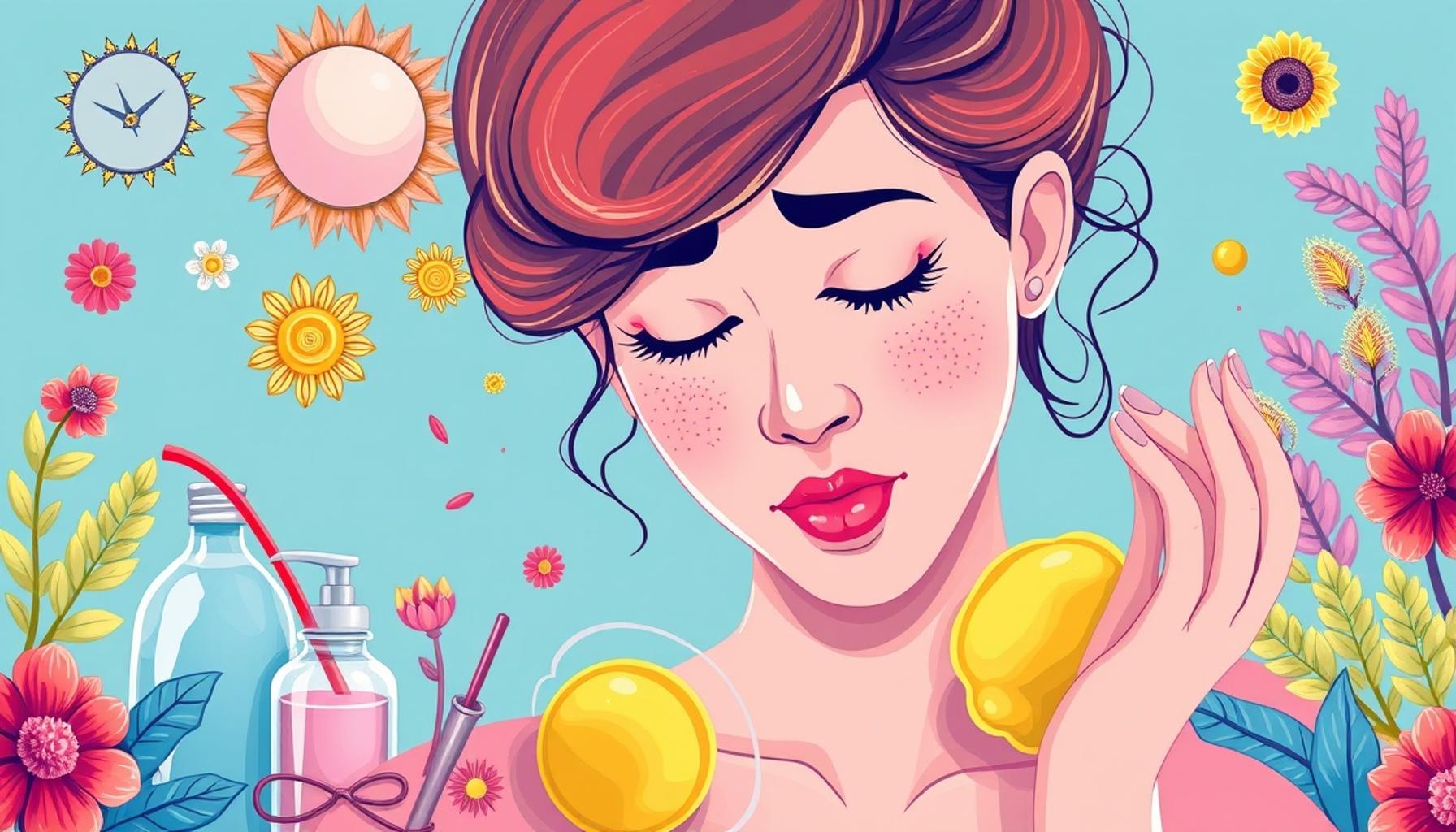
The skin is often described as the body’s largest organ, but it also serves as a mirror reflecting our inner health. Stress can significantly influence the way our skin looks and feels, leading to various dermatological issues. For many, dealing with stress isn’t just a mental health challenge; it also manifests in skin problems.
How Stress Affects the Skin
When we experience stress, our bodies respond by producing hormones like cortisol, which trigger physiological changes detrimental to skin health. This spike in cortisol can lead to a multitude of skin issues, and understanding these effects can help in mitigating them.
- Acne flare-ups: Under stress, our glands can become hyperactive, causing an overproduction of sebum—the oily substance that can clog pores. This is particularly common in adolescents and young adults, who may already be grappling with hormonal changes. A study from the American Academy of Dermatology found that individuals under significant emotional stress reported up to 73% more acne breakouts than those who were not stressed.
- Eczema: For individuals prone to eczema, or atopic dermatitis, stress can exacerbate symptoms such as itching and inflammation. Stress triggers the release of pro-inflammatory cytokines, leading to more severe flare-ups. Numerous dermatologists suggest that maintaining a calm state can be essential in managing eczema, especially during stressful life events.
- Premature aging: Stress accelerates skin aging by reducing collagen production and impairing the skin’s elasticity. This leads to the development of fine lines and wrinkles and contributes to a dull complexion. According to researchers at the University of California, Irvine, stress can even lead to a decrease in teleomere length, which is associated with aging and cellular decay.
The Role of Self-Care
Implementing a self-care routine can be pivotal in managing stress and improving your dermatological health. Simple practices can lead to significant improvements, nurturing both mental and physical well-being.
- Regular exercise: Engaging in physical activities such as running, yoga, or dance promotes circulation and reduces tension. The endorphins released during exercise are natural stress relievers and can help enhance your skin’s appearance, turning that stress into a healthier glow.
- Meditation: Techniques such as mindfulness meditation or deep-breathing exercises help calm the mind and improve emotional balance. Even just a few minutes of meditation can have a profound impact on reducing stress levels, which in turn can mitigate skin issues.
- Skincare routines: Creating a nourishing daily skincare routine can bolster your skin’s resilience against stressors. Using products rich in antioxidants, like vitamin C serums, can help protect skin cells and promote repair processes
Exploring these relationships opens a pathway to enhanced well-being, providing the tools you need to maintain not only a clearer complexion, but also a more balanced life. Understanding the interconnectedness of stress and skin health encourages individuals to prioritize their mental wellness alongside skincare, paving the way for a holistic approach to beauty and health.
DIVE DEEPER: Click here to discover the newest advancements
Unpacking the Skin-Stress Connection
In today’s fast-paced world, stress is a common thread woven through our daily lives, impacting everything from our mental well-being to our physical health, including our skin. The intricate connection between stress and skin health can often be overlooked, yet understanding this correlation is crucial for anyone looking to achieve radiant and healthy skin. Stress doesn’t just affect how we feel; it also takes a visible toll on the skin.
The Physiological Impact of Stress on the Skin
When the body goes into stress mode, it releases a cocktail of hormones, predominantly cortisol. This can lead to several dermatological conditions that many might dismiss as simple skin issues but are actually deeply rooted in our emotional state. Consider how stress impacts the skin:
- Increased Oil Production: Stress can lead to an overdrive of the sebaceous glands, resulting in excessive oil production. This can cause clogged pores and consequently, acne. A study published in the Journal of Clinical and Aesthetic Dermatology reveals that individuals experiencing high levels of stress are more likely to develop acne, with some reporting a staggering 300% increase in breakouts during stressful periods.
- Skin Inflammation: Beyond causing acne, stress can exacerbate conditions like psoriasis and eczema thanks to its ability to trigger inflammatory responses within the body. The resulting flare-ups can result in redness, itching, and discomfort, making self-care even more essential for those battling these conditions.
- Compromised Barrier Function: Chronic stress weakens the skin’s barrier function, making it more susceptible to environmental aggressors like pollution and UV exposure. This can lead to a premature aging effect, showcasing fine lines and uneven texture as the skin struggles to retain moisture.
Recognizing these factors reinforces the idea that stress management should be a staple in any skincare routine. By understanding how our emotions impact our skin, we can take proactive steps to improve our dermatological health and overall well-being.
Self-Care as a Dermal Strategy
Embracing self-care isn’t just a trend; it’s an effective strategy for combating stress and improving your skin health simultaneously. Implementing even small self-care practices can amplify your results in both areas.
- Nutritional Choices: Nutrition plays a pivotal role in skin health. Incorporating foods high in omega-3 fatty acids, antioxidants, and vitamins can bolster your skin’s defenses against stress-induced damage. Think walnuts, berries, and leafy greens as part of your daily diet to nourish not just your body, but your skin as well.
- Quality Sleep: Sleep is often neglected in times of stress. However, quality sleep helps the skin to regenerate and repair itself. Prioritizing 7-9 hours of restful sleep allows your body the time it needs to recover from daily stressors, supporting a clearer complexion.
- Mindfulness Practices: Mindfulness techniques, including gentle stretching, yoga, or even engaging in a creative hobby, can significantly reduce cortisol levels and enhance your mood. Finding joy in these practices sends positive signals to your skin, encouraging a healthier appearance.
Fostering a deep understanding of the skin-stress relationship empowers individuals to take charge of their skin health. This journey places as much emphasis on mental wellness as it does on skincare, promoting a comprehensive approach toward beauty and health that ultimately benefits both mind and body.
The Relationship Between Stress and Skin
Understanding how stress affects our skin involves delving into the body’s response mechanisms. When we face stress, our body releases cortisol, a hormone that can lead to various skin issues when produced in excess. Elevated cortisol levels can result in increased oil production, leading to acne flare-ups and other dermatological concerns. Furthermore, stress can exacerbate conditions like psoriasis, eczema, and rosacea, making the skin more reactive and sensitive.
Additionally, stress impacts our body’s ability to heal. Prolonged stress can hinder the skin’s natural healing process, causing wounds to take longer to heal and leading to more pronounced scarring. The skin acts as a barrier, and when our mental well-being is compromised, this barrier can become less effective. This connection emphasizes the importance of incorporating self-care practices in our daily lives to mitigate stress effects on our skin.
Self-Care Practices for Better Dermatological Health
Implementing self-care routines can significantly improve dermatological health, counteracting the negative effects of stress. Techniques such as mindfulness, yoga, and meditation promote relaxation and emotional balance, which are crucial in reducing stress hormones. Engaging in regular physical activity also stimulates blood circulation, allowing for oxygenated blood to nourish the skin, enhancing its overall health.
Additionally, maintaining a healthy skincare routine tailored to individual skin types can lead to visible improvements. Products containing ingredients like hyaluronic acid and vitamin C can help nurture the skin, providing hydration and combating oxidative stress. Incorporating these strategies into one’s lifestyle not only aids in managing stress but can also reveal a more vibrant, healthier complexion.
| Self-Care Technique | Benefits for Skin |
|---|---|
| Mindfulness and Meditation | Reduces stress and promotes skin healing. |
| Regular Skincare Routine | Keeps skin hydrated and balances oil production. |
Another crucial aspect of self-care is nutrition. A diet rich in antioxidants and healthy fats can support skin health, combating the free radicals produced by stress. Foods such as berries, nuts, and avocado are excellent choices to promote a healthy glow. Hydration is equally important, as proper water intake helps to maintain skin elasticity and overall texture.
Incorporating these self-care practices not only strengthens the emotional and mental well-being of individuals but also fosters a positive impact on their skin health. The intertwining relationship between stress and skin underlines the necessity of mindful habits that can lead to lasting improvements in dermatological conditions.
LEARN MORE: Click here for deeper insights
Exploring Self-Care Techniques for Healthier Skin
As we delve deeper into the realm of self-care, it’s essential to understand that the practices we undertake not only alleviate stress but also significantly enhance our skin’s resilience and appearance. By integrating targeted self-care techniques into daily routines, individuals can foster a more harmonious relationship with both their mental and dermal health.
The Power of Hydration
Staying adequately hydrated is one of the simplest yet most often overlooked aspects of skincare. When the body experiences stress, it can lead to increased water loss through the skin, resulting in dryness and dullness. Drinking enough water—recommended to be around 64 ounces a day, though this can vary depending on individual needs—works wonders to rejuvenate the skin from within. Incorporating hydrating foods such as cucumbers, oranges, and watermelons can further support this effort, reinforcing the skin’s moisture barrier and encouraging a plump, youthful appearance.
Topical Treatments for Stress-Related Skin Issues
In addition to internal hydration, choosing the right topical treatments can alleviate both the physical signs of stress and the conditions precipitated by it. Products containing hyaluronic acid, for example, are essential in quenching thirsty skin by drawing moisture to the surface. Similarly, cream formulations with niacinamide can help calm inflammation linked to stress-related acne or eczema. Engaging in a consistent skincare regimen tailored to individual skin concerns not only provides physical benefits but also acts as a form of ritualistic self-care, promoting relaxation during application.
Facial Exercises and Massage
Facial exercises and massages have gained traction as effective self-care methods to reduce stress and enhance skin vitality. These practices stimulate blood circulation, promoting oxygen and nutrient delivery to skin cells while aiding in lymphatic drainage. Integrative approaches, such as facial gua sha or jade rolling, can provide instant de-puffing and relaxation effects, ideal for those coping with stress. Dedicate a few minutes each day to indulge in these gentle techniques, cultivating a deeper sense of well-being alongside glowing skin.
Sun Protection as a Non-Negotiable
Stress can lead to neglecting critical skincare practices such as sun protection. For individuals facing heightened stress levels, the temptation to skip sunscreen can increase, potentially leading to long-term damage, including premature aging and an elevated risk of skin cancer. An estimated 90% of skin aging is attributed to sun exposure, making diligent application of a broad-spectrum SPF 30 or higher crucial for maintaining not just cosmetic appearance but overall skin health, especially during significant stress periods when the skin is at its most vulnerable.
The Role of Regular Exercise
Regular physical activity is another cornerstone of self-care that synergizes stress reduction with skin enhancement. Exercise promotes the release of endorphins, which naturally alleviate stress and contribute to a healthy, glowing complexion. Moreover, post-workout, increased blood flow can lead to a temporary ‘exercise glow’ as skin cells receive enhanced attention from nutrients and oxygen. The Centers for Disease Control and Prevention (CDC) recommends at least 150 minutes of moderate-intensity exercise per week to maintain overall health; integrating this into one’s routine supports not only emotional resilience but encourages healthier skin as well.
As individuals learn to navigate their stress levels, the importance of a holistic approach toward self-care becomes strikingly evident. By recognizing the interconnectedness of emotional health and skin vitality, they can embark on a journey that promotes lasting well-being and dermatological health.
DISCOVER MORE: Click here to dive deeper
Conclusion: Uniting Stress Management and Skincare for Holistic Wellness
In conclusion, understanding the profound relationship between stress and skin health opens the door to transformative self-care practices that can greatly enhance both mental and dermatological well-being. As we have explored throughout this article, stress is not just a mental burden; it can manifest visibly on our skin, leading to conditions such as *acne*, *eczema*, and *premature aging*. This highlights the importance of addressing stress as a critical factor in maintaining more than just emotional balance—it’s essential for achieving vibrant skin.
Integrating specific self-care rituals—whether through consistent hydration, mindful skincare routines, or relaxation techniques like *facial massage*—empowers individuals to reclaim control over their skin’s appearance and feel good in their own skin. Moreover, practices such as regular exercise and adequate sun protection serve as foundational pillars in this journey, ensuring that one’s efforts are comprehensive and effective.
As you reflect on your personal skincare routine, consider this multidimensional approach. Remember that a healthy mind can lead to a revivified spirit and consequently, glowing skin. By prioritizing self-care not just as a luxury but as a necessity, you create a sustainable path toward long-lasting dermatological health. Embrace your skincare journey as an opportunity for *self-discovery*, *stress reduction*, and *empowerment*, and witness the positive ripple effects on both your skin and overall well-being.