Exploring the Impact of Social Media on Perceptions of Aging and Beauty Standards
Introduction to Social Media’s Influence on Aging and Beauty
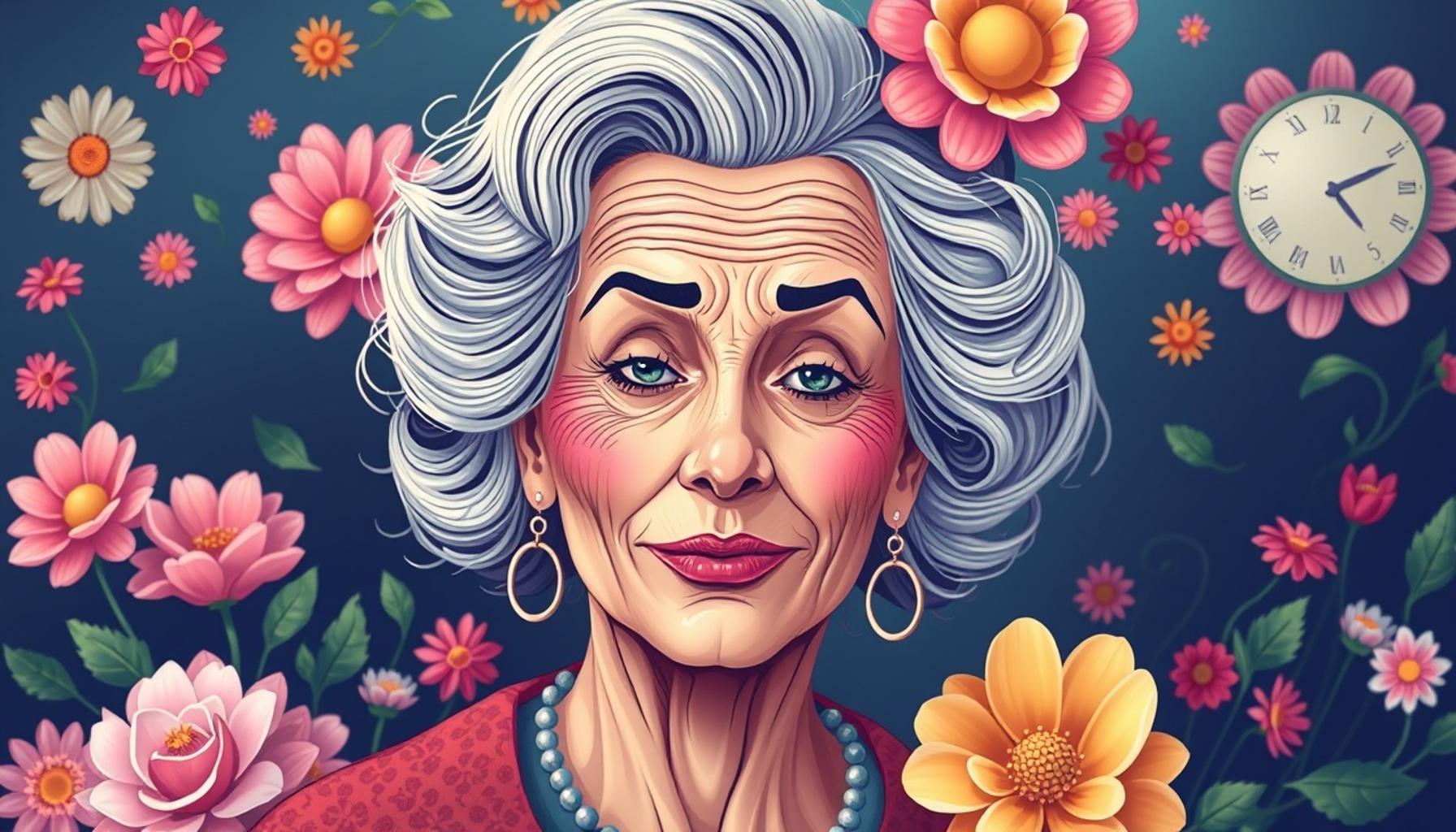
The rise of social media has dramatically transformed how we perceive aging and beauty standards. With platforms like Instagram, TikTok, and Facebook, users are constantly bombarded with images and messages that shape their views on what it means to grow older and be beautiful. Through these platforms, beauty ideals often become homogenized, leading individuals to grapple with unrealistic expectations.
Consider the following aspects of this digital influence:
- Filtered Realities: Many influencers and celebrities present an idealized version of aging, often using filters to enhance their appearance. This practice can create a skewed perception of reality, particularly for young users who are impressionable and may perceive these curated images as the standard. The prevalence of apps like FaceTune and Instagram filters has given rise to a culture where looking youthful and flawless has become not just desirable but expected.
- Beauty Trends: Trends frequently emerge that redefine age-related beauty, such as the growing popularity of “anti-aging” products among younger demographics. This phenomenon is evident in the increased marketing of creams, serums, and procedures aimed at preventing aging signs at earlier ages. As a result, an obsession with remaining perpetually youthful can lead to anxiety and confusion about aging, pushing both young adults and older individuals to question their natural beauty.
- Aging Narratives: Social media has given rise to diverse narratives, including those that challenge the stigma of aging. Influencers and activists have begun to embrace their age, creating content that celebrates the beauty of growing older. Accounts like @the_old_schoolhouse on Instagram showcase older women flaunting their gray hair and wrinkles, pushing back against the notion that beauty is solely linked to youth. These narratives are crucial in cultivating a more inclusive definition of beauty that honors every stage of life.
These elements not only affect individual self-esteem but also shape collective cultural norms. As a result, the conversation surrounding aging and beauty is more complex than ever before. While social media can provide a platform for empowerment and self-acceptance, it can also bolster harmful ideals that place unrealistic expectations on individuals of all ages.
With these thoughts in mind, the impact of social media invites critical examination. How are perceptions shifting? What are the implications for various age groups? For instance, younger audiences may find themselves grappling with anxiety over aging, while older individuals may feel overlooked and pressured to conform to unrealistic standards. This exploration aims to dissect these dimensions to uncover the deeper societal effects of social media on our views of aging and beauty.
DISCOVER MORE: Click here to learn about the impact of your lifestyle choices
The Dichotomy of Youthful Ideals Versus Authentic Aging
Social media’s pervasive influence has introduced a paradigm where the tension between youthful ideals and authentic aging is palpable. Every day, millions of users scroll through curated feeds saturated with near-perfect images that glorify youth. This reality prompts a question: how are these digitally enhanced portrayals impacting perceptions of aging and beauty? The implications stretch far beyond surface aesthetics; they delve into psychological and cultural realms that reflect and shape our collective identity.
One significant outcome of this enhanced focus on beauty standards is the phenomenon known as “comparison culture.” Social media platforms encourage users to continually measure their own appearance against the flawless depictions they encounter. A study conducted by the American Psychological Association found that exposure to idealized images on social media can lead to negative body image and increased levels of anxiety. As users strive to achieve the unrealistically maintained aesthetics portrayed by influencers, feelings of inadequacy burgeon. This is particularly concerning among young adults, who are in critical stages of identity formation and are highly susceptible to external validation.
Moreover, the manipulation of images through filters and editing software creates a “filtered reality” that raises profound questions about authenticity. For example, platforms such as Snapchat and Instagram not only foster lifestyles that fetishize youth but also cloud the representation of aging. A comprehensive analysis by the Visual Communication Quarterly revealed that the use of photo-editing applications is prevalent among digital creators, resulting in a homogenization of beauty that marginalizes those who choose to embrace their natural aging process. This pressure to conform elevates the standard for what is deemed acceptable or beautiful, leading to a cycle of dissatisfaction.
In contrast, a wave of influencers and communities has started to emerge that disrupts these prevailing narratives on aging. Highlighting this shift are accounts featuring women and men of various ages who openly discuss their experiences with the aging process while celebrating their age-related changes. The #SeeTheRealMe hashtag has gained traction as a movement advocating for authenticity over perfection. Influencers like @theglowlab and @advancedaging are redefining what beauty means by challenging the stigma surrounding aging. They promote messages of self-acceptance and diversity that stand in stark contrast to the filtered perfection that has characterized social media for so long.
The Consequences of Social Media on Different Age Groups
The implications of social media’s influence on perceptions of aging and beauty vary significantly across different age demographics. Young adults are frequently faced with the debilitating fear of aging too quickly, prompting them to invest early in anti-aging products and treatments. This trend is reflected in recent data, which indicates that the global anti-aging market is projected to reach $271 billion by 2024, driven primarily by younger consumers.
Conversely, older audiences may feel unseen or devalued in this digital landscape that prioritizes youthfulness. Surveys have indicated that many seniors experience frustration or alienation from beauty brands that cater predominantly to younger consumers, neglecting the needs and desires of older populations. These tensions highlight how social media serves as both a mirror and a mold for contemporary standards of beauty, often failing to reflect the diversity of human experience.
As we navigate these intricate dynamics between social media and perceptions of beauty and aging, it becomes clear that it is crucial to challenge these narrow definitions and embrace a broader range of narratives that empower individuals to embrace their age with pride and authenticity.
| Advantage | Details |
|---|---|
| Awareness of Beauty Diversification | Social media platforms showcase diverse beauty standards that promote inclusivity, allowing for broader representation of aging gracefully. |
| Connection and Community Building | Individuals find support through online communities that discuss aging and beauty, fostering a sense of belonging and empowering self-acceptance. |
The influence of social media on the perceptions of aging and beauty standards is profound and multifaceted. Platforms such as Instagram and TikTok have now become the battlegrounds for beauty ideals, where the younger generations often engage in dialogues around body positivity and aging. With hashtags like #AgingGracefully trending, users share their own experiences and redefine what it means to age. This trend challenges traditional beauty norms that often marginalize older individuals, offering a refreshing perspective that continually evolves over time.Moreover, the power of social media allows for an unprecedented level of advocacy for self-love and acceptance. This digital ecosystem not only connects individuals with relatable narratives but also serves as a platform for older influencers who are paving the way for younger audiences to embrace their natural beauty, regardless of societal pressures. Collectively, these factors significantly alter the landscape of beauty perceptions, igniting critical conversations that were less explored before the social media era. As this dialogue expands, it is crucial to consider the implications of online representation and the ongoing quest for authenticity amidst a backdrop of curated perfection.
DISCOVER MORE: Click here to delve deeper
The Role of Algorithms in Shaping Beauty Norms
The impact of social media on beauty standards goes beyond the curated photographs and influencer marketing; it is also deeply intertwined with the algorithms that govern what content users see. Social media platforms are designed to prioritize engagement, which means that content promoting youthful aesthetics is often favored. This skews users’ perceptions further, reinforcing a narrow framework of beauty that glorifies youth while sidelining the natural aging process.
Research conducted by the Pew Research Center indicates that 64% of Americans believe social media has a mostly negative impact on the way people view themselves. These findings shine a light on how algorithm-driven content creates echo chambers of beauty ideals, where users are inundated with images that conform to specific, often unrealistic standards. This cycle positions aging as undesirable and encourages the continued disappointment many feel when they do not meet these curated standards.
The Influence of Beauty Brands and Marketing Strategies
Another dimension of social media’s effect on aging and beauty standards is the advertising strategies of prominent beauty brands. Most marketing campaigns are designed to appeal to a youthful demographic, effectively sidelining older adults from representation in the beauty space. Campaigns like “This Is Aging” launched by brands such as Olay have attempted to combat this issue, showcasing women of different ages and promoting realistic beauty messaging.
Despite these positive advancements, many brands still fail to acknowledge aging as a beautiful and natural process. This results in older consumers feeling pressured to conform to trends that cater to younger audiences, which can lead to significant psychological repercussions. Studies, such as those presented in the Journal of Women & Aging, reveal that when older individuals engage with cosmetic advertisements that solely focus on youthfulness, their self-esteem often diminishes.
- Shift in Product Development: The consequences of these perceptions have prompted some brands to rethink their product lines, leading to a rise in skincare products intended for mature skin. Companies like Neutrogena and L’Oreal now feature models in their fifties and sixties in their marketing efforts, signaling a gradual shift towards inclusivity.
- Community Building: Online platforms are also fostering communities centered around the celebration of aging. Hashtags like #AgingBeautifully and #BeautyBeyondSize create supportive environments where users can share their experiences and promote a more inclusive narrative.
However, the effectiveness of these community-driven movements is often hampered by broader societal pressures that continue to idealize youth. The digital landscape can create a paradox—while there are outlets for authentic aging, their visibility is often eclipsed by the dominant promotion of ethereal beauty standards that remain prevalent among major media outlets.
The Intersection of Aging, Gender, and Social Media Perception
Additionally, the interplay of gender within the social media framework shapes perceptions of aging and beauty in unique ways. Women often face a more stringent societal checklist regarding beauty and aging, while men are less frequently subject to the same level of scrutiny. This disparity is reflected in the cultural narratives shared on social media, which tend to dismiss male aging as gracefully distinguished, while female aging is perceived through a lens of decline.
This detrimental stereotyping can provoke serious ramifications. A study published in the Journal of Affective Disorders found that women experiencing negative feelings about aging are also at increased risk for depression and anxiety, highlighting the deeper mental health implications tied to societal expectations.
The challenge remains to bridge the gap between digital representation and personal acceptance of aging. As social media evolves, it is imperative for users and brands alike to advocate for inclusivity and redefine beauty, pushing back against the ageist perceptions that have historically dominated both online and offline spaces.
DIVE DEEPER: Click here to uncover the impact of environmental factors on your skin</
Conclusion: Rethinking Aging and Beauty in the Social Media Age
The exploration of social media’s influence on perceptions of aging and beauty standards reveals a complex landscape shaped by both technological algorithms and cultural narratives. While platforms have the potential to amplify diverse voices, they often perpetuate unrealistic ideals, prioritizing youth over the rich tapestry of aging. This has significant implications for individuals’ self-esteem, particularly as the prevalence of curated images leads to narrowed perceptions that equate beauty with youthfulness.
As we have seen, beauty brands play a critical role in reinforcing these standards, often diminishing the representation of older adults in marketing. Though initiatives like Olay’s “This Is Aging” highlight progress, the challenge persists in aligning these efforts with a broader cultural shift towards celebrating all stages of life. Additionally, the gender disparities in how aging is perceived further complicate the narrative, as women frequently face harsher judgments than their male counterparts.
However, a growing movement is emerging, advocating for inclusivity and acceptance of aging as a beautiful journey. Engagement with communities promoting hashtags like #AgingBeautifully signals a need for change and offers individuals a platform to redefine beauty on their own terms. Changing societal attitudes will require a collective effort from brands, influencers, and users to combat ageism and celebrate authenticity.
Ultimately, the onus is on all of us to challenge the conventional norms that dominate our screens. By fostering an environment where aging is not just accepted but celebrated, we can empower individuals to embrace their own unique beauty narratives. As we continue to navigate the digital age, it is essential to advocate for a more inclusive definition of beauty—one that honors the inherent value and richness of every age.