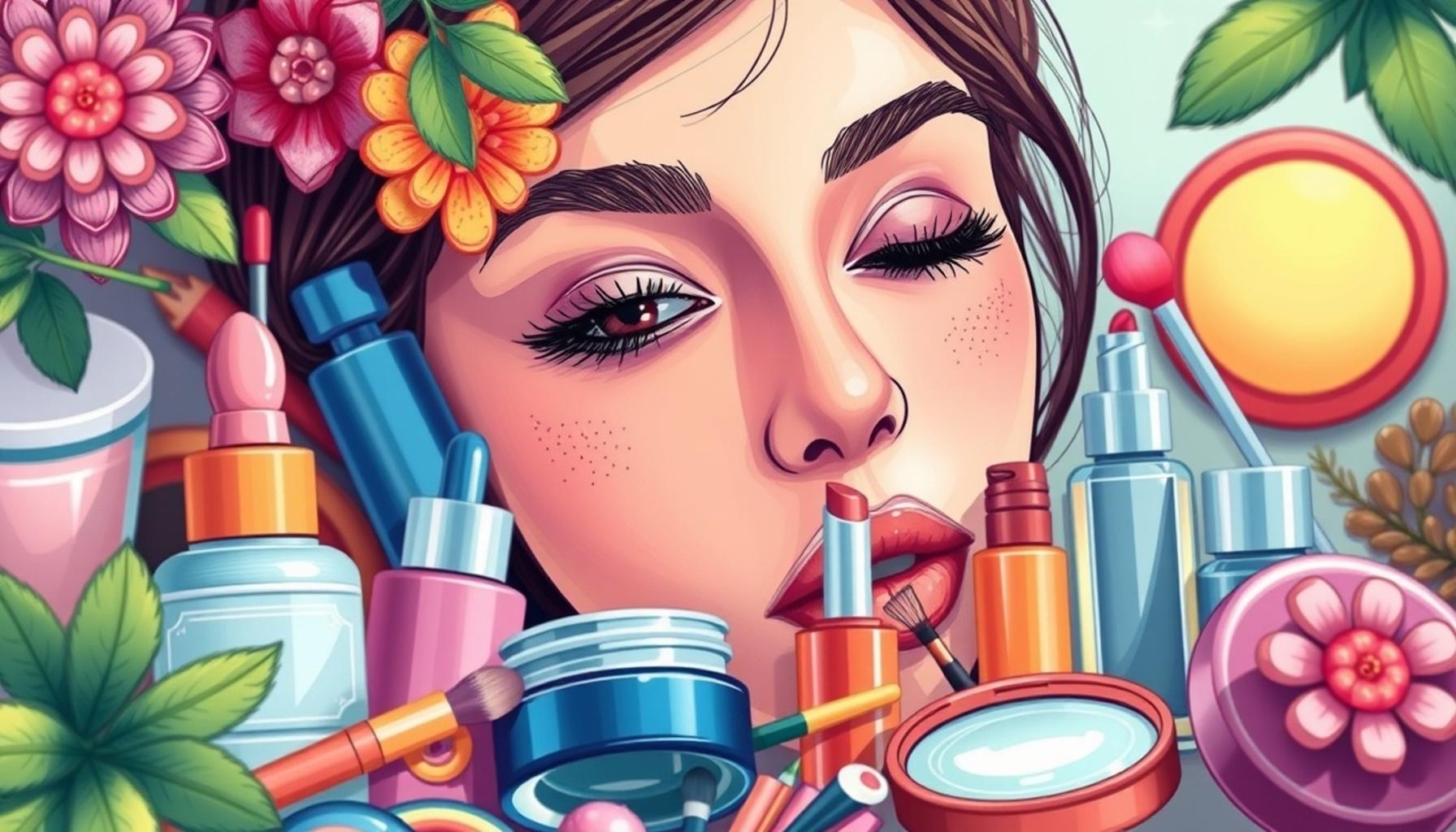
The Rise of Sustainable Cosmetics: Trends and Environmental Impacts
The Rise of Sustainable Cosmetics
The cosmetic landscape is evolving rapidly as a new wave of environmentally conscious consumers embraces sustainable practices. This transformation is not merely a fad but a response to a growing awareness of the environmental impacts associated with traditional cosmetic products. As eco-consciousness permeates American society, especially among millennials and Gen Z, brands are compelled to adapt or risk obsolescence.
The concept of clean ingredients is at the forefront of this movement. Many beauty brands are now prioritizing formulations that are free from harmful chemicals like parabens, sulfates, and synthetic fragrances. Instead, they leverage plant-based alternatives and organic components that are not only effective but also safe for the skin and the planet. For instance, brands like Bare Minerals and 100% Pure have built their reputations around using natural ingredients that enhance beauty without compromising health or environmental integrity. This shift is crucial as consumers are becoming more educated on the potential hazards of synthetic chemicals and are seeking transparency in what they apply to their skin.
Additionally, the emphasis on minimal packaging has redefined the aesthetic and functionality of cosmetic products. In an era where plastic pollution is reaching alarming levels, companies are innovating with biodegradable materials, refillable containers, and even compostable wrappers. Brands such as Lush have pioneered this sustainable approach by promoting “naked” products that require no packaging at all. This initiative not only reduces waste but also challenges the conventional mindset of consumerism in the beauty industry.
The principle of ethical sourcing is gaining traction as well, as consumers demand more transparency in the supply chain. Awareness regarding labor practices and the environmental footprint of ingredients is prompting brands to ensure their materials are sustainably sourced. Major companies like Beauty by Earth and Ethique are setting benchmarks by openly sharing their sourcing practices, which not only fosters trust but also sets a higher standard for accountability within the industry.
The shift towards sustainable cosmetics promises significant environmental benefits. One of the primary objectives is to reduce waste. By adopting biodegradable packaging, brands can help address the escalating crisis of waste management, particularly in landfills where traditional plastic may take hundreds of years to decompose. Moreover, sustainable practices can significantly conserve resources through responsible sourcing that minimizes the depletion of natural assets. This not only nurtures the ecosystems from which these resources are drawn but also promotes biodiversity.
Furthermore, the aim to mitigate pollution through clean and organic ingredients reflects a vital shift towards protecting our water sources and ecosystems. Harmful chemicals from conventional cosmetics often find their way into waterways, endangering wildlife and human health alike. With sustainable alternatives, the potential for reducing such pollution becomes an achievable goal.
As the trends of sustainability embed themselves deeper into the fabric of the cosmetics industry, they not only cater to a rising demand among consumers but also contribute to a larger movement towards environmental stewardship. This evolution offers both brands and consumers a unique opportunity to align beauty with responsibility, challenging the status quo and redefining the meaning of beauty in the modern world.
DIVE DEEPER: Click here to discover the power of herbal extracts in skincare</p
Shifting Consumer Values in the Beauty Industry
The transformation toward sustainable cosmetics reflects a significant shift in consumer values, particularly among younger generations. Research indicates that over 70% of millennials and Gen Z consumers actively seek products that are environmentally friendly and ethically produced. This desire to make informed choices is influencing purchasing behaviors, as shoppers are increasingly scrutinizing brands for their environmental commitments. They are more likely to support organizations that prioritize sustainability in their practices, embracing brands that reflect their eco-conscious values.
A vital element of this shift is the rise of greenwashing awareness. As consumers become more educated about sustainable practices, they are wary of companies that attempt to green their image without substantive action. This awareness pressurizes brands to genuinely commit to sustainability rather than indulging in superficial claims. Transparency has become non-negotiable; consumers want to know not just what is in their products, but where the ingredients come from and the ethical implications behind them.
Education and Advocacy in Sustainable Practices
The increasing availability of information on beauty options has empowered consumers to make choices aligned with their values. Various platforms and initiatives are actively promoting knowledge about sustainable cosmetics, creating a ripple effect that shapes purchasing patterns. Social media, in particular, serves as both an education tool and a means of advocacy. Influencers and sustainability advocates share insights on eco-friendly brands, ingredient safety, and the importance of ethical consumption, inspiring followers to reconsider their beauty routines. For example, hashtags like #SustainableBeauty and #CleanBeauty have gained massive traction, encouraging discussions around sustainable practices.
Part of this educational effort focuses on the environmental consequences of traditional cosmetics. Conventional beauty products often involve extensive resources to produce ingredients, and their manufacturing processes can emit significant greenhouse gases. The demand for ingredients like palm oil, often sourced from deforested regions, underscores the environmental stakes of consumers’ choices. These insights compel beauty enthusiasts to seek alternatives that champion sustainability and animal welfare.
Key Trends Shaping the Sustainable Cosmetics Movement
As the pursuit of sustainability continues, several key trends emerge within the cosmetics industry:
- Upcycled Ingredients: Many brands are incorporating upcycled materials—unused by-products from other industries—into their formulations, effectively reducing waste while creating unique products.
- Vegan and Cruelty-Free Products: The pursuit of ethical beauty drives brands to eliminate animal by-products and test their products on animals, resonating with consumers who prioritize animal welfare.
- Waterless Beauty: Innovative formulations are emerging that reduce the use of water—one of the primary ingredients in conventional cosmetics—minimizing resource depletion and promoting sustainability.
- Personalized and Customizable Products: Brands are creating tailored beauty solutions that not only cater to individual preferences but also reduce waste associated with generic products that may not meet every consumer’s needs.
These trends highlight how sustainability is becoming a more prominent fixture in the beauty landscape, prompting companies to rethink production processes from ingredient sourcing to packaging design. The implications of these trends extend beyond just aesthetics; they encompass global environmental concerns, making the case for a holistic change in the cosmetics industry.
| Advantage | Details |
|---|---|
| Reduced Environmental Impact | Sustainable cosmetics utilize eco-friendly ingredients and sustainable packaging, significantly lowering their carbon footprint. |
| Support for Ethical Brands | Consumers can choose brands that prioritize ethical sourcing and fair trade practices, fostering a more responsible industry. |
The conversation on sustainable cosmetics is further energized by the increasing demand for transparency in ingredient sourcing. Brands are stepping up to provide detailed information on their production processes, enabling consumers to make informed decisions. This movement is not only beneficial for the environment; it also paves the way for fostering trust between consumers and brands.Moreover, the rise of circular economy principles within the cosmetic industry plays a crucial role in minimizing waste. More companies are adopting refillable packaging options, enhancing customer loyalty while reducing landfill contributions. As consumers become more educated about their purchasing choices, they actively seek out products that align with their values, giving rise to an overall trend of sustainability that goes hand-in-hand with personal care. By embracing these trends, individuals can partake in a larger shift towards sustainability, positively impacting the planet and promoting an ethical cosmetics culture. The fusion of sustainability with beauty is not merely a trend—it’s quickly becoming a necessity as we rethink our relationship with consumerism.
LEARN MORE: Click here for expert tips on selecting the perfect product for your skin type
Regulatory Changes Promoting Sustainable Practices
As consumers demand greater accountability from the cosmetics industry, regulatory frameworks around sustainability are evolving. Governments and organizations are increasingly recognizing the need for policies that promote environmentally friendly practices. In the United States, the Environmental Protection Agency (EPA) is spearheading efforts to regulate toxic substances used in beauty products, aiming to reduce environmental and health risks associated with conventional cosmetics. Further, the European Union has established stringent regulations regarding the labeling and testing of cosmetic products, which serves as a model for the rest of the world.
In response to these regulatory pressures, brands are not only exploring sustainable sourcing but are also incorporating more transparent supply chains. For instance, the Clean Beauty Coalition, a collective of cosmetics companies committed to formulating safe and sustainable products, is advocating for industry-wide standards that would elevate the benchmarks for product safety, transparency, and sustainability. The movement toward sustainable cosmetics is thus partly fueled by the intersection of consumer advocacy and regulatory mandates, reshaping the future landscape of the beauty market.
The Role of Innovative Technologies in Sustainable Cosmetics
In addition to shifting regulations, cutting-edge technologies are playing a crucial role in sustainability advancements within the cosmetics industry. For instance, biotechnology is allowing for the creation of sustainable, bio-based ingredients that replace conventional materials derived from petrochemicals. Brands are harnessing tools such as AI and machine learning to analyze consumer preferences, optimize ingredient formulations to minimize environmental impact, and enhance product efficacy.
Moreover, the integration of 3D printing technology is beginning to enter the cosmetics realm, with innovative packaging solutions aimed at reducing waste. By enabling customized product designs that cater to individual needs while minimizing leftover materials, brands can continue to operate closer to a zero-waste model. This technological innovation reflects how sustainability is becoming a core component of product development, separate from mere marketing rhetoric.
Community Engagement and Activism
The rise of sustainable cosmetics is profoundly influenced by grassroots movements and consumer activism. Local beauty collectives and eco-conscious communities are rallying together to advocate for sustainable practices and support small brands that prioritize eco-friendly efforts. Initiatives like the Zero Waste Beauty Movement encourage consumers to adopt responsible habits, including refilling and recycling packaging, thus contributing to a more sustainable beauty culture.
Alongside this activism, initiatives such as Buy One, Give One programs are becoming prevalent, where beauty brands partner with non-profit organizations to support environmental conservation and community initiatives. By purchasing a sustainable product, consumers directly contribute to environmental efforts, reinforcing the idea that beauty choices extend beyond individual care to encompass global responsibility.
The Economic Impact of Sustainable Practices
The shift toward sustainable cosmetics is not just a trend; it’s becoming an economic imperative. The global green beauty market is projected to reach $22 billion by 2024, driven by rising consumer demand and a growing market of conscious brands. This economic momentum is prompting larger beauty conglomerates to invest in sustainable brands, acquire innovative startups, and even reformulate existing product lines to align with sustainability goals. Such acquisitions not only bolster the market presence of eco-friendly brands but also reflect a significant cultural shift within traditional beauty companies, emphasizing sustainability as a strategic business advantage.
In summary, the rise of sustainable cosmetics is catalyzed by interconnected factors: consumer demand, regulatory changes, technological innovation, and community engagement. Each of these elements underscores a commitment to environmentally responsible practices while reshaping the cosmetic industry’s relationship with its consumers and the planet.
DISCOVER MORE: Click here to learn how your diet affects your skin
Conclusion: Shaping the Future of Beauty
The emergence of sustainable cosmetics marks a transformative era within the beauty industry, highlighting a collective shift towards environmentally conscious practices. As we’ve explored, this movement is not merely a fleeting trend but a comprehensive response to escalating consumer demand, regulatory pressures, and the profound impacts of climate change. From biotechnological innovations that craft eco-friendly ingredients to grassroots activism fostering community engagement, each facet of this evolution underscores the industry’s commitment to sustainability.
Moreover, as brands recognize the economic viability of sustainability—projected to yield a global market value of $22 billion by 2024—the impetus for further innovation and reformulation is greater than ever. Consumers can now wield their purchasing power to support ethical companies, directly contributing to environmental conservation and social responsibility. Initiatives such as Buy One, Give One programs not only enrich the beauty experience but also weave a narrative of collective progress and empowerment.
Ultimately, the rise of sustainable cosmetics reflects a pivotal cultural change in how we perceive beauty—not as a mere superficial pursuit, but as a holistic approach intertwined with the health of our planet and communities. As we move forward, ongoing dialogue, education, and transparency will be essential in paving the way for a beauty industry that harmonizes aesthetics with sustainability, ensuring that the choices we make today foster a healthier tomorrow for generations to come.